Search

Jul 6, 2020

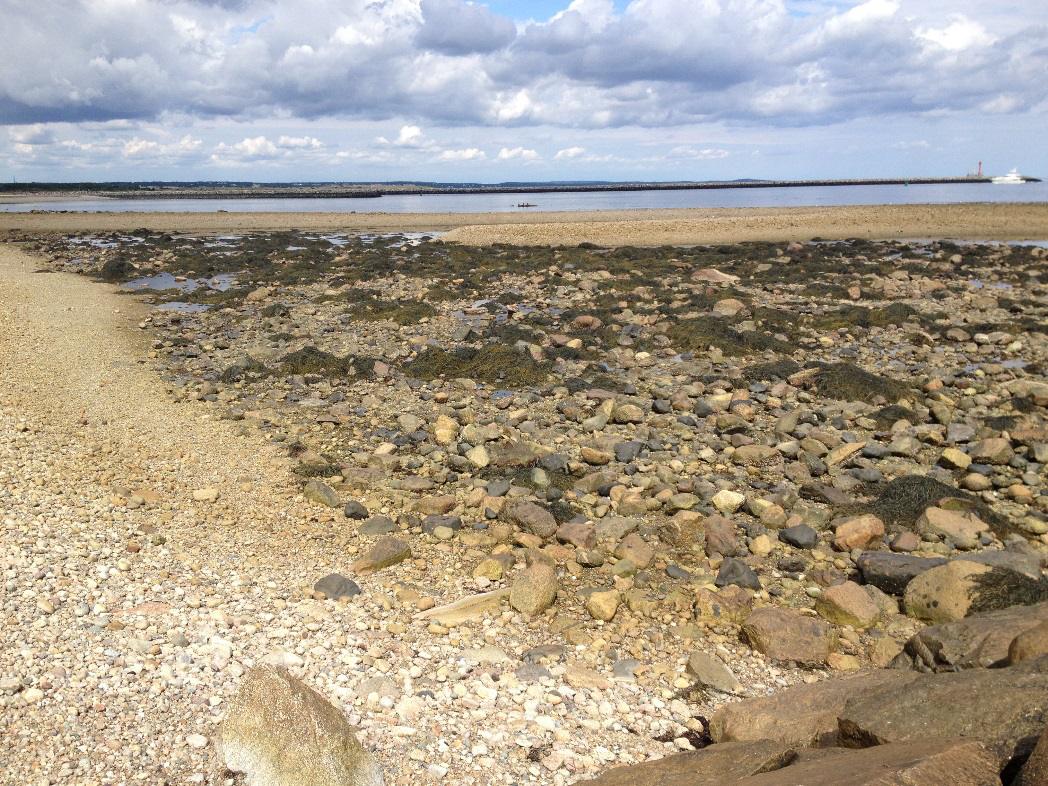
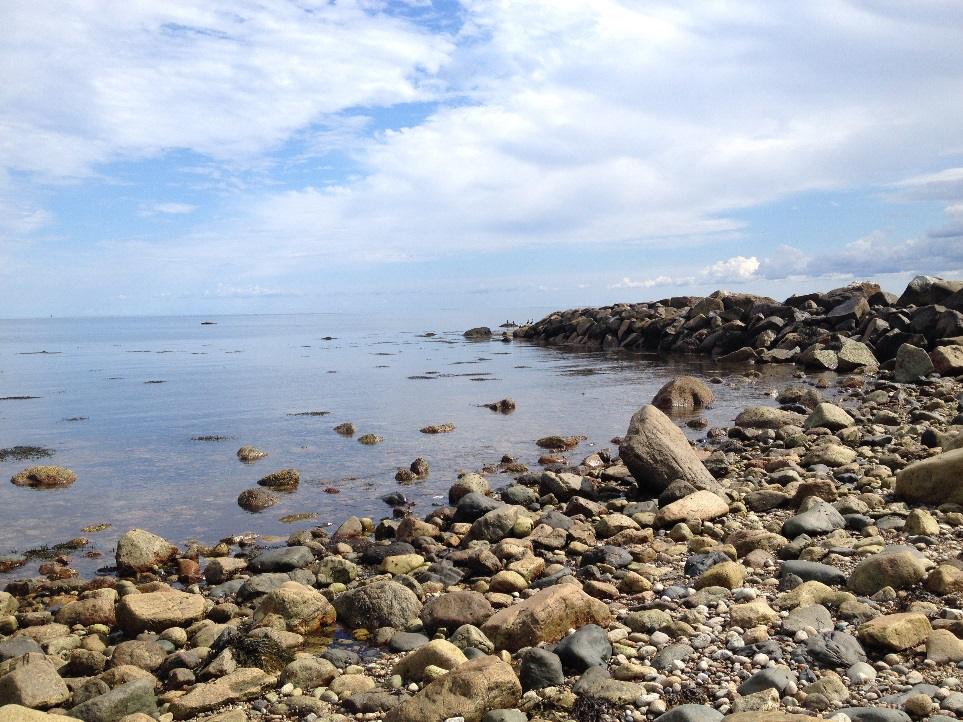
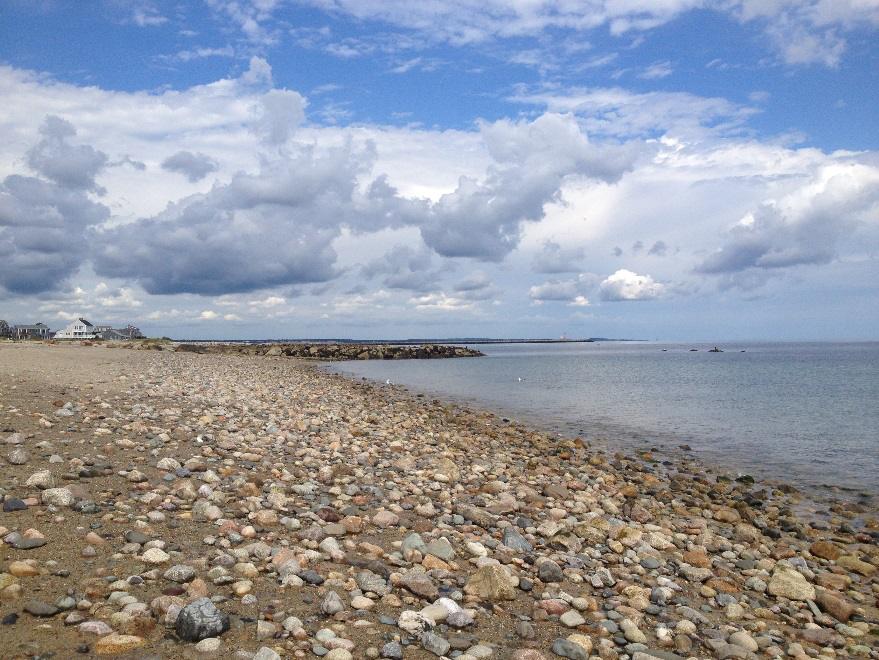
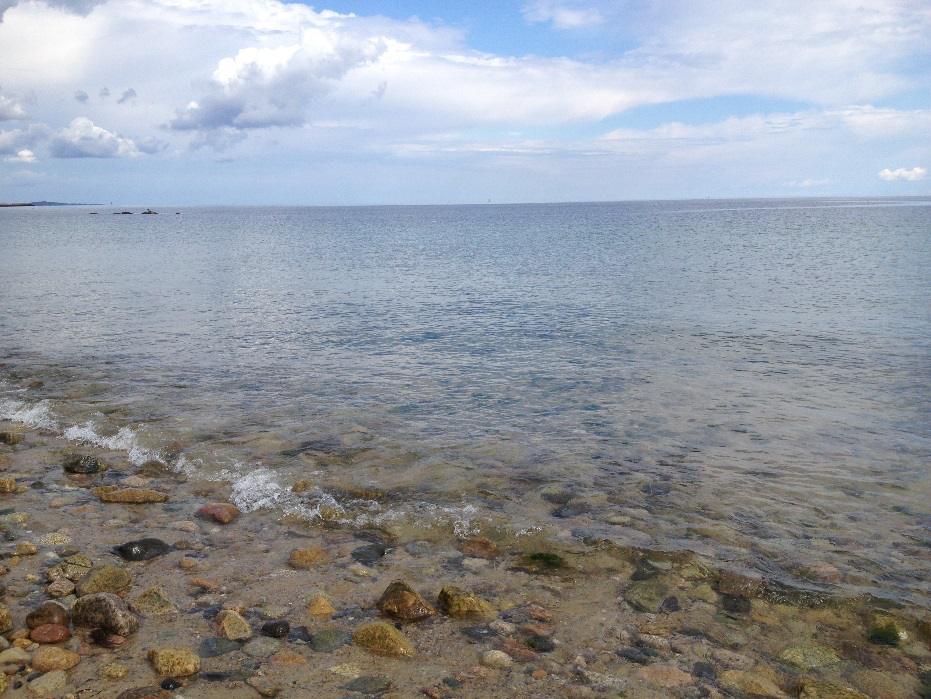
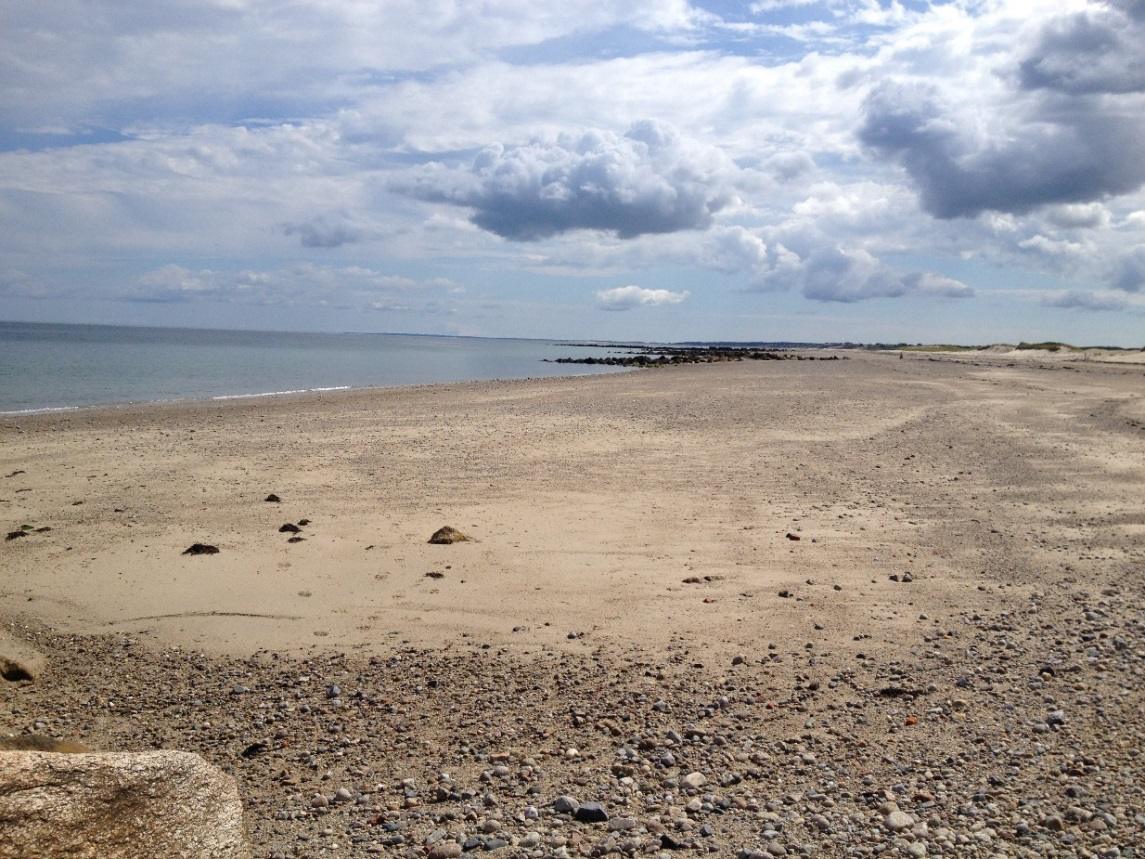
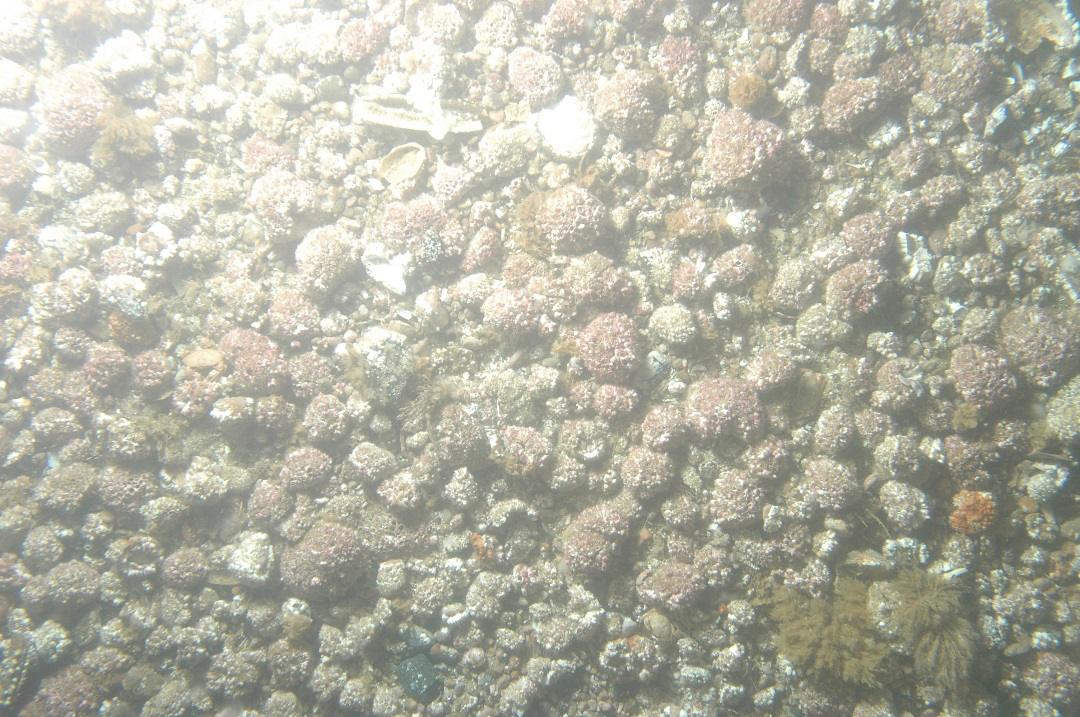
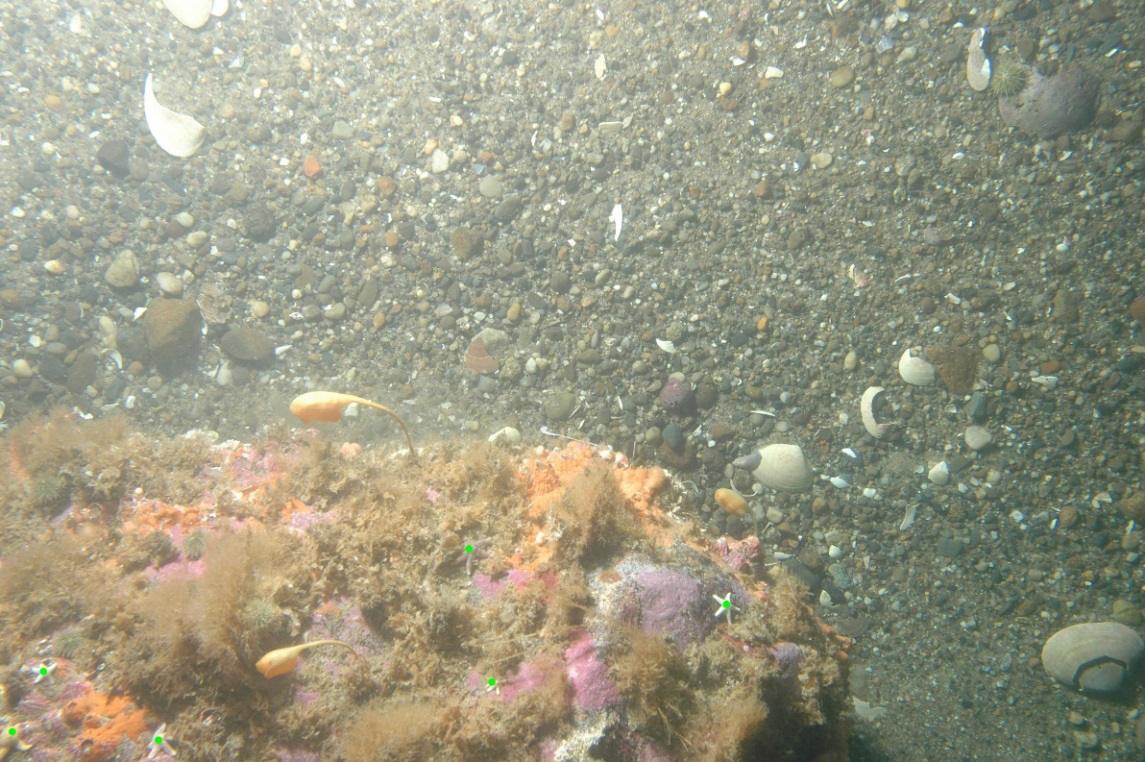
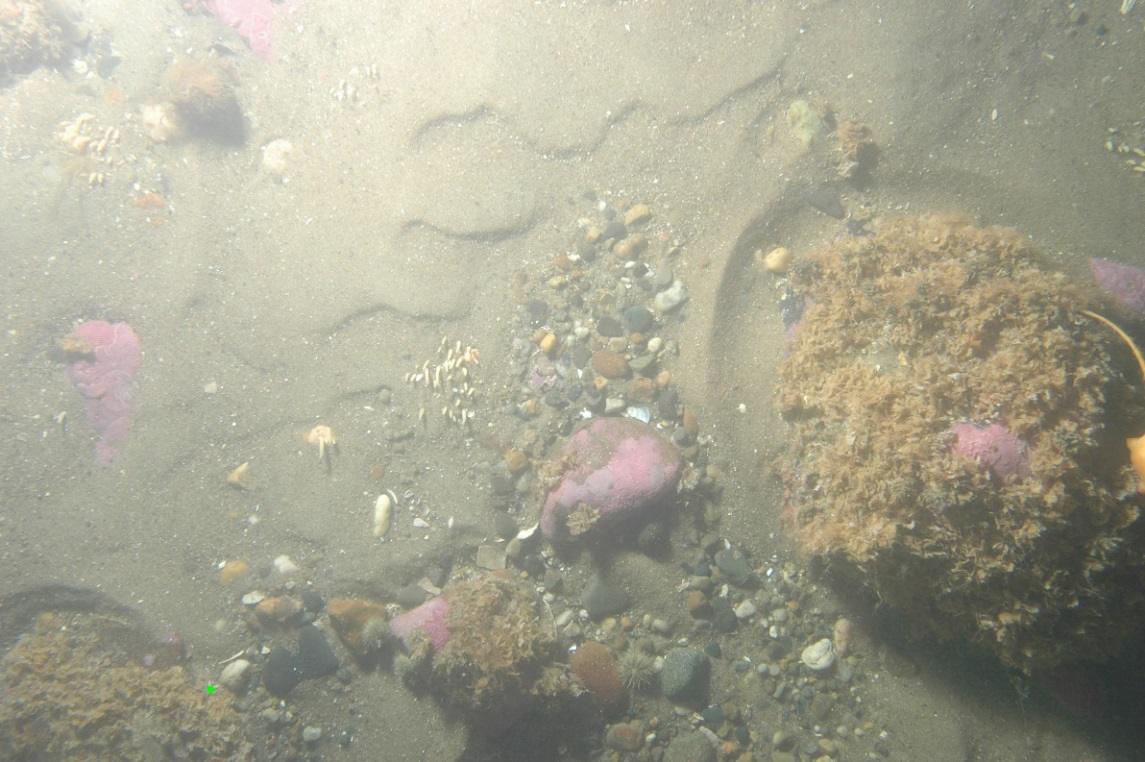
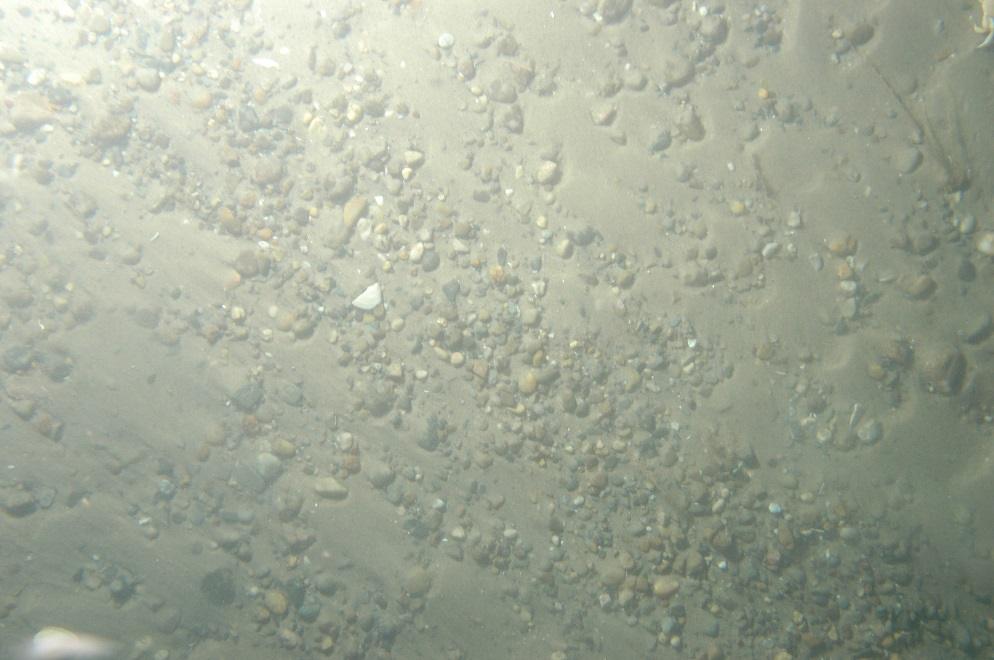
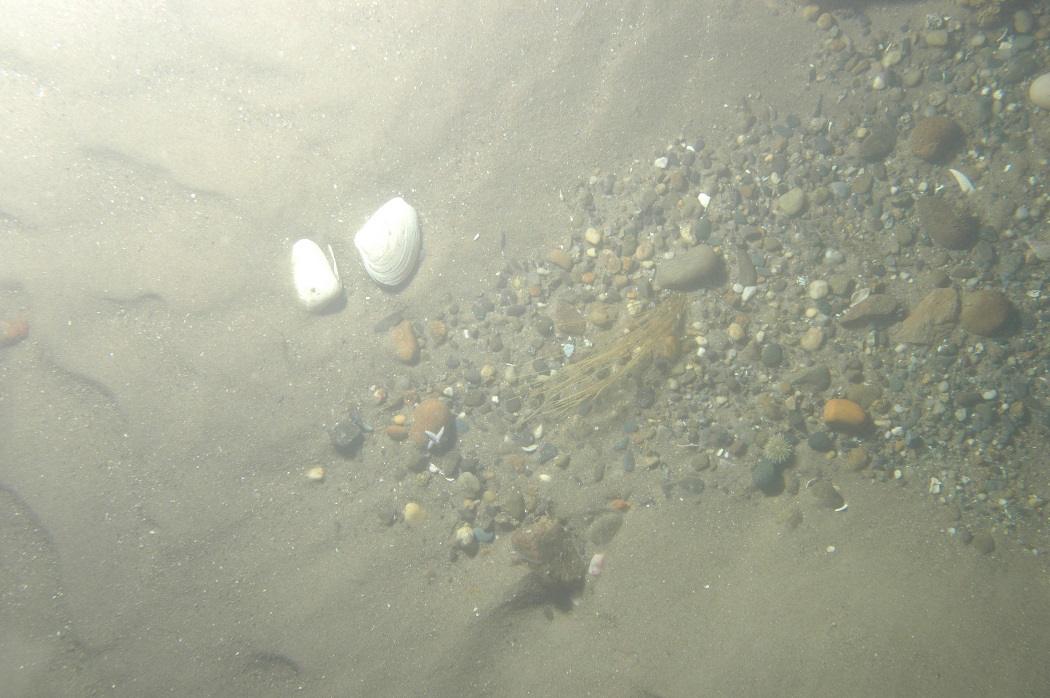
Intertidal Penobscot Bay Habitat Areas of Particular Concern

Maine's Rocky Coastlines as juvenile cod habitat

On January 3, 2018, the New England Fishery Management Council designated new Habitat Areas of Particular Concern (HAPC)for inshore juvenile cod. A recent NOAA description

The HAPC applies to areas of gravelly, rocky or vegetated habitats and adjacent sandy areas in coastal waters from Maine to Rhode Island, from the high tide line out to the 20 meters depth contour.

INTERTIDAL HAPC HABITATS

SUBTIDAL HAPC HABITATS
Defined as pavement unless sampling determines less than 10% pebble-gravel content.

NEFMC staff infolved with HAPCs 
Michelle Bachman (lead)NEFMC fishery analyst  mbachman@nefmc.org   978/465-0492 ext 120
*  Andy Applegate (asst) NEFMC Ecosystem based fishery management   (978) 465-0492 (ext. 114)  email: aapplegate@nefmc.org

While not rare in the Gulf of Maine, these habitats need special protection for three reasons:
* They provide young-of-the-year and year-old cod shelter from predators and important feeding habitat.
* They are particularly sensitive to human activities.
* They are also important habitats for many other fish.

These places need to be located and documented so that govt decisionmakers can block would be coastal development projects that would send sending polluted runoff and silt into these areas. Join a mapping team this spring and summer!


Jun 28, 2020

Taking issue with the Army Corps final Sediment Analysis Plan for Nordic Aquafarms proposed dredging for wastewater and intake water pipelines

Below, read the interleaved commentary  of two of Penobscot Bay's fiercest defenders: Conservation & Environmental Attorney Kim Ervin Tucker's and  Paul Bernaki  licenced  longtime wetlands, uplands and and intertidal and subtidal lands consultant for our area, 

Here the two dissect the  Army Corps of Engineers June 18,2020  Sediment Analysis Plan for Nordic Aquafarm's application to dredge mercury-tainted  sediment from SW Belfast Bay from the intertidal to the   gas crater field  offshore, and lay bare the various anti-bay efforts that  the Mills Administration  has made to try to get  the company's salmon tankfarm plan rubberstamped  into approval.   -RH

"Comments for the record "of the Nordic combined applications before the Maine DEP. It is also a comment for the record of the USACOE applications for the Nordic /Cianbro project . 

     As some of you know , the SAP (Sediment Analysis Plan) forwarded below produced by The USACOE was " released " by the office of Council of the USACOE  on   friday to the Parties { legal intervention parties, Towns and NGO  } of the BEP/DEP  Nordic , multiple application , Major Project review to and through Kim Tucker ESQ council for Mabee /Grace , the Maine Lobstering Union and the Friends of Harriet L Hartley Conservation Area  .

   This "release"  , released  now to everybody, is approximately eight days after Ms Ransom  received it from The Project manager handling the USACOE application for Fill , Structure , Dredging , Sidecasting { deposit into the waters } 

{ Funny I am not familiar with the section of the CWA that details the "temporary" side casting , re Deposit into the waters of dredge spoils and the time limit that qualifies or quantifies "temporary " and the exact method and RIM requirements of the review of such "temporary " activity . } ,Blasting , Removing obstacles , filling depressions ,dewatering dredge spoils, Transport / dewatering from Barges into the waters , speculative Mack point dewatering facility or the resulting point source Discharge . etc .

    It seems that according to the USACOE that the unknown persons  with suitable qualifications on  staff of  the  Maine DEP reviewed the "draft " of this SAP and then again someone signed off on this draft on Behalf of the Maine DEP . [Included in the recent MGL FOAA  Request to DEP , pending]  

   As it is clear that this SAP is as of this point a critical and repeatedly called for and then accepted part of the review by the Maine DEP/BEP process , The Maine DMR , and the USACOE process   and that the results of this SAP testing are critical  to this review and constitute  new evidence ;

    I would like you all to know that the record is now reopened on all of the prematurely "closed " records of proceedings before each of the Maine agencies that were and are required by law to review , and to receive comments from the effected towns , citizens , fisheries and NGO  on such important and potentially destructive industrial proposals  .  This is not a question of "if " but a question of How the BEP, the Attorney Generals Office , and the Administration' s of the Maine DEP and DMR will legally proceed with  The Nordic /Cianbro comeuppance resulting in the  resetting  of most if not all of the application review process/ hearings / comment periods on multiple related subject matter . 

{Perhaps the lack of Notice to the Town of Searsport  and Isleboro should be rectified at this point ?}

   The USACOE "record " is never "closed" until final action is taken on a Rivers and Harbors Act and the Clean water Act , application to dredge /fill/deposit/ structure . The Maine DEP in order to "review and accept" the SAP Draft , reopened the record {albeit unknown to the parties } .  

Likewise the formal transmission to   Mr Hiem's Agent for the various Maine DEP applications and the USACOE application , Ms Ransom , constituted the reopening of the record regarding every thing related to the Construction , the Benthic effects , the fisheries impacts, erosion and deposition  of released sediments, the effect on structures in the vicinity of the construction, the effects on the recreational and commercial users of the  Penobscot Bay in regards to all aspects of water quality, fisheries, Critical Fisheries Habitat , the Endangered Species act and  the sediment and erosion control measures , as well as all related aspects of review of the pipeline and its construction and post construction environmental impacts .   

    The subject matter of a SAP and its results are critical to many aspects of the review in regards to  NRPA , CWA , and a host of other federal and Maine agency  acceptance of  expert and lay comments and reviews thereof

{.Too bad the Maine DEP and the Maine office of the USACOE didn't require this SAP as a result of the TIER one  desktop review last year !.} 


Having a detailed analysis of the saturation , the grain size , the contained contaminants , the actual stratifications and "suitability for backfilling "   the geotechnical properties  of these sediments along the proposed pipeline installation and the specific locations and qualities to depth  of the sediments extraction  , will create a new set of reviewable data that will require the engagement of suitable experts . { replacing the unacceptable  " only an estimate of unsuitable materials and an unknown level of contaminants in that unknown amount of "unsuitable " dredge spoils ,  on the abandoned location , 

We all will {including Ms Tourangoey} be looking at the actual amounts to be dredged, side cast , re-dredged , dewatered , Blasted , " Hoe -Rammed" etc.    This process of review by the DEP/BEP ,DMR and Experts engaged by the towns and other parties must not be rushed , and especially because of the disruption to "business as usual " aspect of the national and state emergency created by the Pandemic still raging across our country , and  all  resulting considerations of actual Due Process to  be regarded . 

  As to the actual SAP , although the details of the sampling  ,the called for  methods of  extraction of samples  and the lab tests appear to be acceptable in regards to the RIM and Green Book ;  { Thanks Steve } 

     The exclusion of the "resting on the seafloor"  "suspended above  the seafloor" intake pipe, 3OOO foot extension across the Holocene Mud sediments,  out to some 55 feet of depth, directly  effecting Isloboro and Northport/Bayside , and on the very edge of the Pockmark locations and Methane deposits , { as  commented on by Steve Dickson to Maine DEP Land administration, and as shown on the Brothers Graphic , USGS Staff  } ,  from the test locations requirements , despite the comments and questionings of the parties and interested persons, is unacceptable .

   This exclusion from the SAP Sediment Analysis Plan  of this portion of the Cianbro/Nordic construction involving unspecified , un-quantified ,  and  un-located  sediment dredging and sidecasting , including heavy barge mounted equipment "grading and filling " ,

minus an actual to depth geotechnical and chemical contaminant content test and analysis , is an unacceptable risk to the environment in light of the already detailed and in the record of the various  applications to state and federal agencies , detailing the  effects of scour , sediment transport and redeposit ,on the surrounding benthic habitat and the Beaches of Bayside / Northport and Beyond , {as well as DR Petigrews commit that the current and circulations data are insufficient for review of TSS transport and mixing/deposit and contaminant mixing considerations }  

   Failing to include this portion of  large scale industrial installation activity and   the entire footprint of that activity  in  the SAP will only result in further  delay of the  resolution of the issues presented  by the applicant’s proposed activity  and does not serve any ones interest or the LAW . 

  I am disappointed in the exclusion of these issues and locations in the SAP in Spite of the expert  comments in the record supplied by myself and others to these records and directly to the US EPA and The USACOE who have responsibility along with the Maine DEP of the creation of the SAP before us . As the Drafting process was a secret and Internal agency process not FOAA or FOIA accessible , found by SCOTUS  to  be "chilling" on agency and intra  agency review  process ;

   We are left with no recourse other than continue to comment  on the record  that Cianbro heavy construction equipment should not be let loose on the Bay without suitable detailed  plans , showing exact locations and amounts of displacement of marine soils , geotechnical testing and contaminant testing of all areas  of the industrial construction process  for the entire project . 

Thank you all for your attention to these detailed and lengthy considerations of the newly released” SAP , I look forward to the next several years of thrashing this through with you all . 

Paul Bernacki , Homeplace Team coordinator 


Jun 27, 2020

Bay activists critical of federal approval of Nordic Aquafarms dredging and sedimentanalysis plan for its proposed fifhfarm's water/wastewater pipelines.

Attorney Kim Ervin Tucker has been a leader of the effort to keep Land based fishfarm wannabee Nordic Aquafarms building and operating i.e. discharging wastewater from their project into Befast Bay and Penobscot Bay, She is representing the Maine Lobstering Union and the Friends of the Harriet L. Hartley Conservation Area in opposing to the Nordic Aquafarms plan

 
Kim Ervin Tucker:
"The proposed sediment testing plan, as it must for CWA Section 404 reasons, includes the intertidal land that is protected by a recorded Conservation Easement that my clients, Jeffrey Mabee and Judith Grace, own and my other clients, the Friends of the Harriet L. Hartley Conservation Area, hold.  I have repeatedly filed documentation demonstrating that NAF has no legally cognizable expectation to use this intertidal land." 
.......

"The SAP [Sampling and Analysis Plan] fails to require any sediment testing in the submerged lands area where NAF proposes to place pipes above ground after “grading and filling” to place brackets holding these pipes above the seafloor every 15 feet, secured by cement anchors into this methane-rich, unstable holocene mud.":  

"The USACE is aware of the instability of the sediment in this area and the significant methane deposits in this area — it is part of the reason this area has been determined to be unsuitable for dredge spoils disposal since at least 1999.  

I"n light of the SAP’s acknowledgement that this area has buried HoltraChem mercury in the upper 1-foot of sediment — including in the area proposed for “grading and filling” that would likely disturb and re-suspend this buried mercury — this omission from the SAP is inexplicable and needs to be corrected immediately."


That is what caught my attenti0n


Army Corps of Engineers reviews Nordic Dredge sediment testing plan. Read it at the link

ACOE's permit reviewer Peter Tischbein  has approved  the sampling and analysis  plan by Nordic AquaFarms  for Nordic to test sediments  while digging and dredging to dig and dredge a subsurface pipeline route to let the company discharge wastewater from its upland-based fishfarm  into Belfast Bay,  On June 18, 2020 he released  the following document - but not to any interested party but NAF!


Read critical responses by:


Jun 21, 2020

Maine BEP 5/20/20 audio mp3s deliberative session re Nordic Aquafarms application

On May 20-21 2020  Maine Board of Environmental Protection held a "deliberative session" to consider the memos and other information they had received from DEP's commissioner and bureaus, interested parties & Nordic aquafarms consultants.  Memos discussed at the meeting
Listen below to audio from the 5 hour and 46 minute BEP meeting. (more to come)


* INTRODUCTION

* AIR EMISSIONS

* WATER USE

* NATURAL RESOURCES WETLANDS AND STREAMS


Subsections
(c) BEP QA  to  Muller  &  Wood etc  58min   (overlap of last bit of Wood testimony first .and the acting chairs question Then a break (deleted) ,then chair asks again and questions follow


BEP meeting 5/20/20/NORDIC related memos at meeting


Maine Board of Environmental Protection Received guidance memos from Gerald D. Reid, Commissioner  Kevin Martin, Compliance & Procedures Specialist, Office of the Commissioner  Gregg Wood, Director, Division of Water Quality Management


DEP Bureau of Land Resources (BLR) 5/20/20 briefing memos
All 5/20/20 briefing memos_50 pages
Memo sections
Intro to BLR memos (Staff)
Ransom Construction details  (Ransom Consulting)
Ransom  Appendix C dredging (Rasnsom Consulting
\

May 5, 2020

Opposition to Nordic Aquafarms' Belfast Maine proposal: Summary of Upstream Watch Argument

Below are two bits of the  legal brief submitted 5/4/20 to Maine DEP's Board of Environmental Protection opposing the Nordic Aquafarms  by grassroots ecodefenders Upstream Watch:  First a brief  introduction to what agencies  are involved and what laws they must follow. Second: a three part summary of their argument

INTERVENOR UPSTREAM WATCH’S 5/4/20 POST-HEARING BRIEF Re NAF
Read full 96 page brief here


INTRODUCTION"Intervenor Upstream Watch (“Upstream”) submits this Post-Hearing Brief to assist the Maine Board of Environmental Protection (“BEP”), the Maine Department of Environmental Protection (“DEP”), The Commissioner of Environmental Protection (the “Commissioner”) and the DEP Staff (“Staff”) to evaluate the applications of Nordic Aquafarms, Inc. submitted under the Maine Site Location of Development Act, (“SLODA”), the Maine Natural Resources Protection Act (“NRPA”), the Maine Pollution Discharge Elimination System (“MPDES”), and a Chapter 115 Air Emission License."

SUMMARY OF ARGUMENT.
The environmental effects of this huge, industrial fish processing facility are not benign as suggested by initial press releases. As the project developed, Upstream was alarmed by a consistent pattern of insufficient and misleading information issued by Nordic.

Three troubling themes consistently emerged:
(1) the selected site is unsuitable for the project;
(2) the application is fatally incomplete, and
(3) Nordic Aquafarm’s information, when provided, fails to meet the statutory and regulatory criteria.

(1) THE SELECTED SITE IS UNSUITABLE FOR THE PROJECT.
Nordic is trying to fit a large, square peg into a small, round hole by selecting an unsuitable site and trying to change the site’s basic character instead of seeking a suitable site. There is no better example of this than the Nordic’s soil replacement plan. Nordic selected a site that contains almost exclusively spongy clay soils (a situation that caused subsidence problems for the Nordic Aquafarms AS back in Norway). To address this problem, Nordic proposes to remove the natural soils over a 35-acre portion of the site to a depth of, to depths over 50-feet (SLODA Apl., Sect. 20, Text, p. 1-2) and after removing those soils, replace the clay with gravelly soils which would be more capable of supporting the proposed tanks. Upstream estimates this soil replacement project will require roughly 45,000 dump truck loads, necessitating extensive travel over state and local highways.

Moreover, the proposed site includes nineteen (19) wetlands, swamps, marshes, and nine (9) streams. Nordic proposes to reconstruct artificially one stream and destroy the remainder. In lieu of preservation or replication of the remaining natural resources set to be destroyed, the Nordic proposes to “compensate” for the environmental damage with cash.

This “pay to pollute” scheme is wholly unnecessary when there are other available and more suitable sites which would not require such a serious destruction of natural resources.

Given the extreme measures proposed to overcome unsuitable soils and the total destruction of wetlands, combined with the fact that virtually the entire site is mature forest that would be destroyed, and that the portion of Penobscot Bay that would receive Nordic’s wastewater is slow moving and shallow, it is clear the site is unsuitable for the project.

(2) THE APPLICATION IS FATALLY INCOMPLETE .
Upstream has tracked the Applicant’s submissions against the statutory and regulatory requirements and this review has demonstrated that Nordic’s application is woefully incomplete.

See Feb. 18, 2020 Comment Submitted by Mike Lannan regarding Nordic Aquafarms Technical Ability (tracking each statutory and regulatory requirement for the pending applications and whether Nordic has complied). A true copy of the Lannan matrix showing the incompleteness of Nordic’s filings is attached hereto as Exhibit A.

The burden is on Nordic to demonstrate compliance in its applications for permits. Even so, the DEP has patiently attempted to lead Nordic through the process, with letters and memos itemizing application submissions that required clarification and modeling performed with the Department’s expertise and expense. Despite this guidance, the Nordic application remains fatally incomplete.

Throughout the hearing, it was evident that Nordic had failed to provide certain required information for its permit applications, including but not limited to, financial capacity, the actual effects of wastewater discharge including far-field dilution, and onsite wildlife surveys.

(3) NORDIC FAILS TO MEET THE STAUTORY AND REGULATORY CRITERIA.
Nordic only partially addressed other regulatory requirements, perhaps in the hope that those requirements would be overlooked during the permitting process or that Nordic would be allowed to figure out how to comply with those sections of the regulations after the fact, as permit conditions. Nordic should not be allowed to evade meeting all filing requirements for its permit requests at this time.

The proposed project size is huge. Within the project footprint, one could fit Gillette Stadium, Fenway Park and two TD Gardens. A mistake on this application can have catastrophic environmental impacts.

Nordic has failed to address critical material requirements of the statutes and regulations, and as such, its application cannot be granted as a matter of law. All regulations and statutory requirements must be met as a precondition to the award of a permit. After-the-fact attempts at compliance is not only unlawful but constitutes an unreasonable and unacceptable risk.

This application “sets the bar” for all future aquaculture applications in the state of Maine. If the Board of Environmental Protection insists on complete compliance with applicable statutes and regulations and if the Applicant meets all statutory requirements, aquaculture entrepreneurs worldwide will note that Maine welcomes aquaculture but only aquaculture that is compliant with all legal requirements.


 END OF SUMMARY

Apr 6, 2020

West Old Town Landfill struggle historic timeline 2003-2004

From March 2003 through  October 2004  communities  led by  group"We The People /Against The Dump" rose  up against  the initiative by  Georgia Pacific in Old Town to (1) get the state to
(1)  Take up ownership of GP's  sludge landfill in Old Town
(2)  Hire Casella to manage the landfill
(3)   Let Casella  import  out of state construction and demolition debris to fund  landfill operation.
 
The timeline ends on October 21, 2004, when  the Board of Environmental Protection ruled 7-1 against the appeals brought against the  plan by dump opponents.


Timeline broken down by month (pdfs)  Full timeline here 121 pg  pdf


Apr 1, 2020

EPA Coastal Acidification Webinar. California, Oregon & Maine. Audio & Slides 3/19/20

 On March 19, 2020 the EPA's  Watershed Academy  hosted a webinar: "State Legislation on Ocean & Coastal Acidification " 
Here  are links to audio  mp3s  and slides of  presentations by representatives of California, Oregon and Maine.                

Dr Justin Kimball
Sr Scientist, Ocean Protection Council,  California Natural Resources Agency
Kimball audio 19min
Kimball slides
  

* Caren Braby, Marine Resources Program Manager, Oregon Dept Fish & Wildlife. 


 * Don Witherill, Dir, Division of Environmental Assessment, Maine Department of Environmental Protection 

Mar 21, 2020

Rockland's new draft harbor mgmt plan Adhoc group ends with a whimper, not a bang.

Listen to  the complete audio  of the March 5th  presentation
http://penbay.org/rockland/adhoc/030520/rockland_adhoc_030520_full_2hrs1min.mp3

The draft Rockland Harbor Management Plan


OBSERVATIONS ON THE PRESENTATION
Marine Economy section of the Plan.  
Noel Musson didn't read the Key Findings Nor  the objectives 
He read the Goal,and went directly to the Action Items. 

But the Key Findings  are where the supposed facts found are supposed to be! 


WORKING WATERFRONT
Despite being told to the contrary told a year ago,   the Plan Draft redefines Working Waterfront to include any water-dependent use.  But working waterfront is  FISHERIES TAX LAW  not HARBOR TAX LAW  
11. Working waterfront land. "Working waterfront land" means a parcel of land, or a portion thereof, abutting water to the head of tide or land located in the intertidal zone that is used primarily or used predominantly to provide access to or support the conduct of commercial fishing activities.|  For purposes of this subchapter, a parcel is deemed to include a unit of real estate notwithstanding the fact that it is divided by a road, way, railroad or pipeline

When consultant Noel Musson  and Rockland Commun ity Development Director  Julie Hashem got corrected  for trying to insert  their redefinition a year ago, they apologized and accepted the fisheries  element of the definition

But Musson inserted their redefinition into the Plan within the Marine Economy Key Findings.  Was it because  he didn't want to draw attention to this disobeying the  committee that  Musson decided to not to read it a the meeting?

Musson also didn't read aloud any of the Objectives.  Objective #5 promotes the Yachting Solutions expansion for megayachts:  "Private marinas and commercial dock space thrive and help meet the needs of the harbor."    That's a rather strange sentence when you unpack it. Why single out marinas of the diverse waterfront businesses on the harbor?  Why single out "private" marinas and dockage?  How about our public marina?  Should not we plan to improve and expand the Public Landing and public dockage to meet the needs of local and visiting boaters?  The "harbor" doesn't have "needs", boaters have needs.  

The City has needs for increased revenue from harbor users.  That needed revenue won't be coming from MORE private infrastructure on the water. They won't be paying taxes on their increased and thriving marinas and dockage in the water.  They won't be sharing with the City their profits. 

 They will be doing their best, like Yachting Solutions, to persuade the City through Private Public Partnerships, to move public facilities out of their way so they can expand.  

Musson explained the Plan is focused on City-owned property and services.  But when you get to he Marine Economy, the focus shifts to private enterprises and helping them suck up our marine resources and increase their profits, rather that focusing on strategies to enhance the Public Interest and increase City revenue.  

IN ESSENCE the Plan promotes the privatization of our natural resources while placing the financial burden of maintaining diminishing public infrastructure and increasing public services on the backs of tax payers.  

When private developers go after local, state and federal permits for their projects in our harbor water, should this Harbor Management Plan, as currently worded, receive approval by the City Council, they've essentially got City approval and backing for their enterprises that they can quote word for word.  

The SADDEST things about the Public Presentation 

1.  NO PUBLIC SPEAKING TIME Supposedly the public having read the document would have had something to say  but no time allotted for that!

 2. Musson's sleight of hand within the Plan Draft and his choices of what to read aloud and what not to read.

3. The moment was when someone asked if the Committee had discussed the Yachting Solutions marina expansion. Musson said no, and added that he wasn't really familar with the project.  Uh huh.  

4.  Worst: bereft of public speaking time  no one objected or even questioned anything about the obvious bias in favor of private interests over the public interest within the Marine Economy section.  

Musson just breezed through it in a few minutes.  Not a peep out of harbor defender SHIP.  Christos didn't even attend!  Where was SHIP? Hiding in the bushes trying to distance himself from his line by line approval of the plan last month?    

Mar 7, 2020

Rockland adhoc harbor mgmt plan meeting 3/5/20

Huge Ocean Windpower takeaway at Maine Fishermen's Forum:

Huge Ocean Windpower takeaway at Maine Fishermen's Forum:

UK fishers to Yank lobstermen,scallopers trawlers, hookers:
Love the places you fish so much you prefer keeping site specific catch information off the public record? Keeping the tracks/routes of the runs that make you a success confidential?

MAKE.THEM. PUBLIC.NOW.

Lifetime fisherman Colin Warwick, now UK "Fishing Liaison for Offshore Wind and Wet Renewables" urged and Massachusetts fishfolk seconded It is IMPERATIVE you record the track of EVERY trip you take, From dock to grounds to dock, and make these "tracks" available.

. If you don't: NO LEGAL EVIDENCE of how often you fish there - to the joy of ocean wind applicants. You can write letters and go to public hearings and meetings and tell them how often But where's your proof? Word of mouth? testimony of self and coworkers? Hah

As far as the federal and state & provincial governments of the Gulf of Maine and the greater eastern seaboard are concerned, if you don't have your tracks, you got nothing. You're just another stakeholder. Able to prove you fish, but unable to prove where and how often.

The offshore wind industry relies on Maine fishermen/s penchant for confidentiality to make it easy for growth off their shore. Dredge dumpers Outfall pipe wannabees? Same for them. No tracks no solid evidence you fish there. Or transit through . Some Massachuysetts fishers have to come in through 16 miles of windfarms to get to shor. The one-nautical-mile channel spacing between turbines is a very narrow corridor in a serious blow.

We heard harrowing stories of Massachusetts fishermen dying a in storm because the windfarms turbine spacing made it unsafe for the rescue chopper to get close enough to even find them let alone rescue them.

AGAIN: START RECORDING YOUR TRACKS DOCUMENTING YOUR USE OF YOUR GROUNDS.

If you don't, you may have "stakeholder" status, but you may as well hold that stake over your heart and and let wind industry pound it in, for all the good it does you.


Ocean windpower at 2020 Maine fishermen's Forum, AUDIO

The 2020 Maine Fishermen's Forum hosted a daylong meeting Fisheries and Offshore Wind in the Gulf of Maine   Here are the intro aned the first three speakers,  More to come...

Intro - request  for  no recording  except

Speaker 1 Melissa Winne Governor's Energy Office 10min37sec

Speaker 2 John Hare New England Fishery Science Ctr 22min23sec

Speaker 3 Michelle Bachmann  New \England Fishery Management Council 


Mar 3, 2020

Nordic update - public speaks on company's dredge plan

Maine DMR got hammered by furious environmentalists and fishermen at the March 2, 2020 public hearing the agency hosted.  LISTEN TO AUDIO BELOW
DMR introduc ed a brand new dredging plan right then and there.   DMR's deputy c ommmissioner tried to say there'd be no  public comment  on the  plan once the meeting closed Didn't that change?
 Have a listen to the agency and Nordic consultants, then to the fishermen and others of the public
Full recording 2hours 20min 
DMR and Nordic consultants presentations 47min
Public comment part 1 27min
* Public comment part 2 28min
* Public Comment part 3 Assistant AG  5min30sec
* Public comment part4to End 27min 20sec

DMR later wrote
"Based on feedback received during the hearing, DMR has decided to extend the public comment period until 5:00 pm Thursday, March 12, 2020.

Written comment can be provided by mail to: Amanda Ellis, Department of Marine Resources, 21 State House Station, Augusta, Maine 04333; or by email to: dmr.rulemaking@maine.gov .


Feb 18, 2020

Maine Legislature 2/18/20 hearing on Aquaculture reform LD 1920 AUDIO MP3s

On February 18, 2020 the Maine Legislature's Marine Resources  Committee heard testimony on  LD 1930 An Act To Amend Maine's Aquaculture Leasing and Licensing Statutes The bill makes  12 major changes to state aquaculture laws. (See bill summary below audio list)

1. Committee Introduction  2min 15sec

2. Bill Introduction Senator McCreight 2min 30sec

3. LD 1920 review  Dierdre Gilbert  8min 41sec

Dierdre Gilbert Q&A  23min

5.Samantha Jane Ames 2min 15sec 

6. Senator Catherine Breen 3min 30sec  . 

7. Nick Battista, Island Institute to end 1min 19sec

BILL SUMMARY This bill amends the aquaculture leasing and licensing statutes to:

1. Provide that the Department of Environmental Protection receives notices only of those lease applications that involve activities that have a discharge;

2. Expand the reasons under which the Commissioner of Marine Resources may initiate lease revocation proceedings to include operating in a manner substantially injurious to public health or violating minimum lease standards;

3. Reduce the number of days in advance of which an individual must apply for the renewal of a lease from 90 days prior to the expiration to 30 days prior to the expiration;

4. Clarify notice requirements when a standard lease is proposed for renewal;

5. Require the fee for a lease transfer to be paid upon application for the transfer instead of at the execution of the lease;

6. Specify that a person may not apply for an expansion of a lease until the person has held that lease for a minimum of 2 years;

7. Move the responsibility for notifying riparian landowners of an application for a lease expansion from the applicant to the Department of Marine Resources and move the responsibility for providing public notice in the newspaper from the department to the applicant;

8. Establish the rule-making authority for the commissioner to establish fees for services provided by the department to lease holders if they request testing or studies to ensure their products are safe for human consumption;

9. Broaden the language allowing changes to leases and require the commissioner to establish a fee for making changes to a lease;

10. Remove the commissioner's rule-making authority regarding changes to limited-purpose leases;

11. Limit the ability of the holder of a limited-purpose aquaculture license to have unlicensed individuals participate in the licensed activities by requiring their direct supervision by the license holder; and

12. Raise the fee for a limited-purpose aquaculture license from $50 to $100 for a resident and from $300 to $400 for a nonresident.

Feb 13, 2020

Maine BEP comes to Belfast - and listens to the people re Nordic salmon tankfarm plan. AUDIO mp3s

On February 11, 2020 Maine's Board of Environmental Protection came to UMaine's  Hutchinson Center in Belfast It conducted a formal public hearing during the day, and took sworn public comment that evening (link to audio)
 Listen to 2 hours of people from all walks of life (the vast majority in opposition to Nordic's Land based tank farm) speak to the Board members   commercial fishing & filterfarming communities.

RECORDED SPEAKERS

Sidney Block 3min 30sec

Pat Kaplan   2min30sec

Lou MacGregor  1min 15sec

Marsden Brewer 3min

Jennifer Hill, 3min 41sec

Nancy Durand Lanson_3min25sec

Robert Brewer 51sec

Chris Wright. 1min 52sec

Susan Cutting. 3min 30sec

Walden Cutting

Terry Faulkingham 1 min 48sec

Hunter Penney. 50sec

John Murphy 57sec

Christopher  Hyk, 1 min 37sec

Andy Stevenson_3min43sec

Janie Philips 2min49sec

Laurissa Flimlin 2min 30sec

Peter Del Greco (Pres/CEO Maine & Co) 3min_43sec

Linda  Sylvia O'Connor 2min39sec

Samantha Langlois 3min52sec

Conny Hatch 2min55sec

Sally Brophy 3min 42sec

Jim Merkel 7min 42sec

Aimee Moffitt-Mercer 3min34sec

Joanne Moesswilde 4min24sec

Gretchen Heilman &. Piper 4min

Hillary Emma 3min47sec


Samantha Jane Ames Matinicus. 5th generation fisherman

Eric Cohen Salal

Bethany Allgrove 1min 45sec

Geir Gaseidnes 3min

Steve Standard

Jason Raun
           
Ron Huber   

Courtney Beyers
Camille Penn
John Pincince. Maine Guide
Shanna Hanson
BEP question to Eileen Wolper
Close of meeting