Search

Showing posts with label Sider London. Show all posts

May 2, 2021

Searsport Plastic Waste Spill: MDEP's April 26th repliy to Sprague letter. Spill Timeline

On April 26, 2021 Maine DEP replied to Sprague's response to the agency  about  spilling at least two and a half tons of plastic waste into  Searsport Harbor on December ,2, 2020. Below read the documents that led up to that April 26th letter from DEP to Sprague.

Searsport Plastic Waste Spill Enforcement Timeline

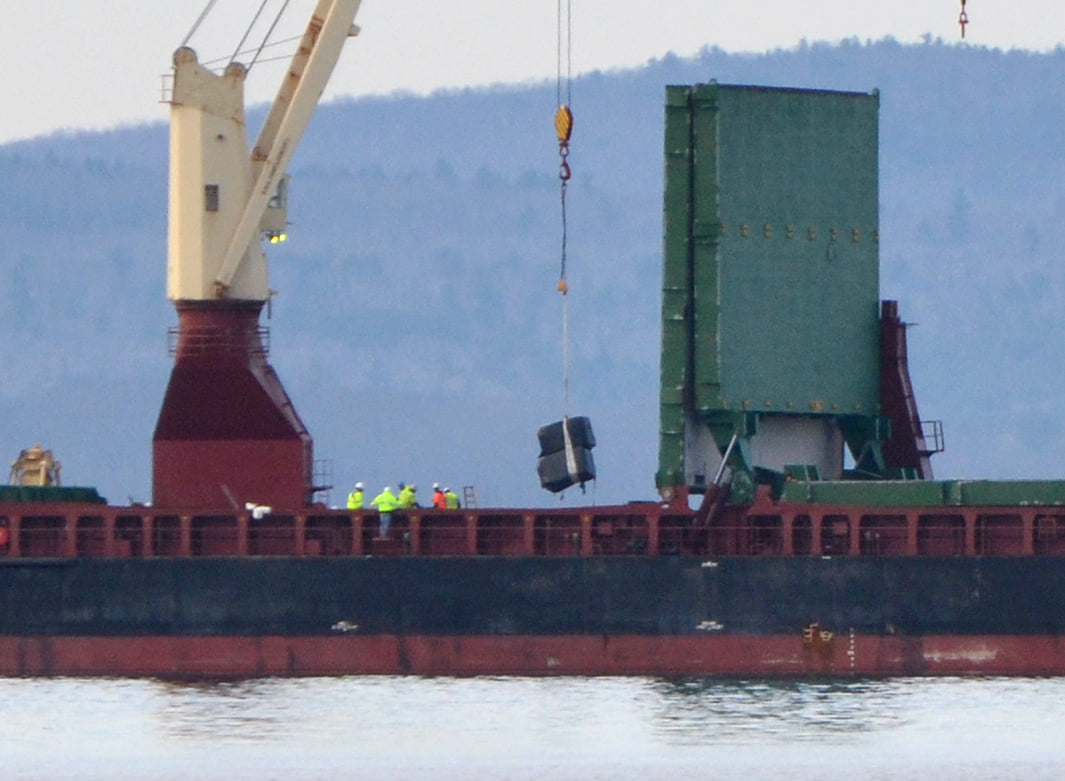
12/2/20  Plastic waste bales spill  while offloading from  Sider London 

1/15/21 Maine DEP  sends Sprague a Notice of Violation

2/ 27/ 21 Sprague sends MDEP four documents in reply:

 Form 03 Ship Shore Safety Inspection  *  Form 19 Dry Cargo Risk Assessment

Terminal Operations Manual 302  *  Terminal Operations Manual 306

4/26/21   Maine DEP  Replies to Sprague's response to DEP's  2021 Notice of Violation

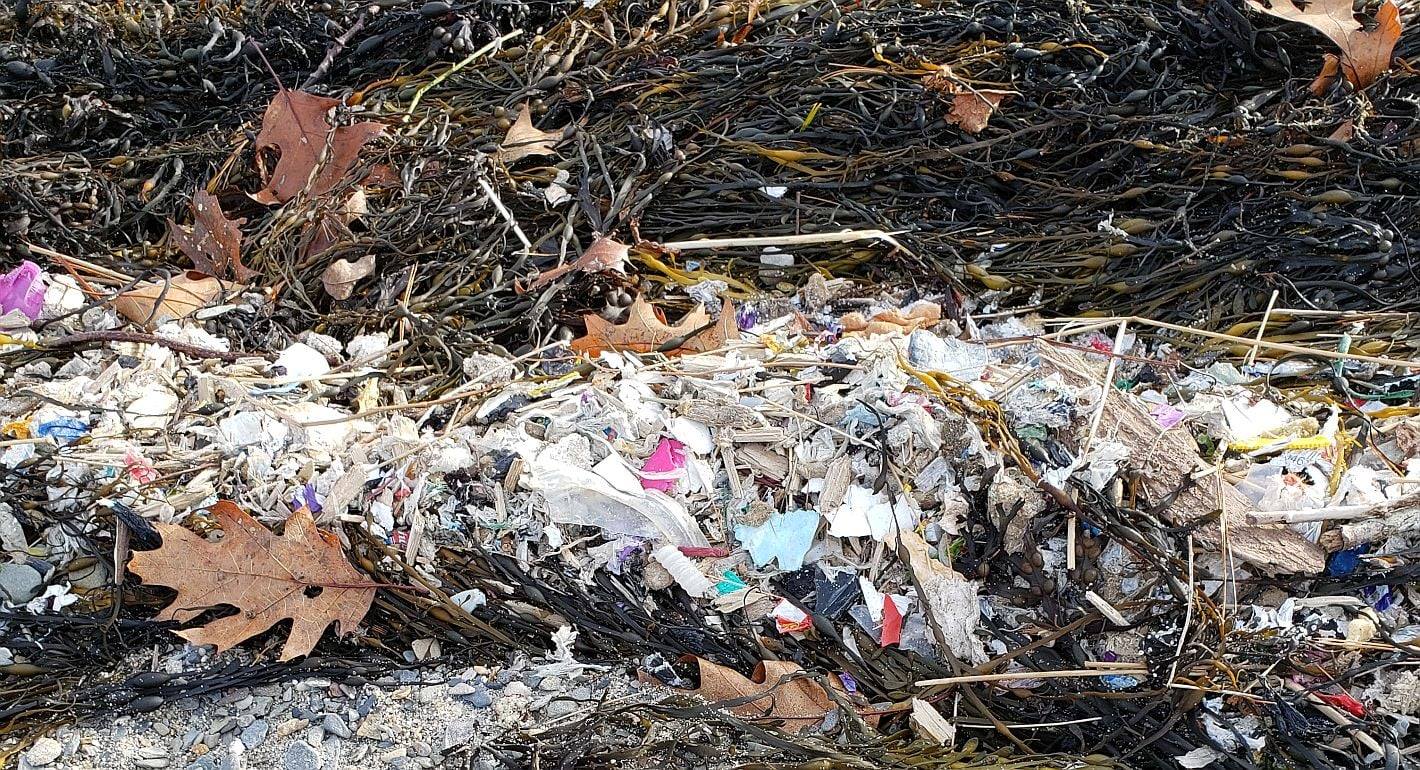
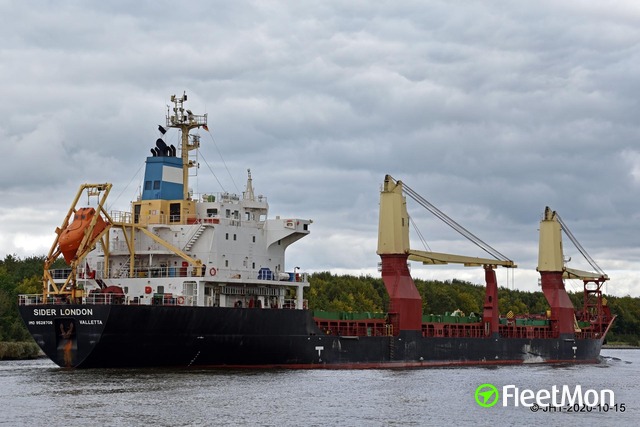
BACKSTORY  December 2, 2020, while the vessel Sider London was offloading shredded plastic waste  at Mack Point  an unknown numbers of baled plastic waste spilled into Searsport Harbor.  The bales broke up and washed ashore on Sears Island.  It  quickly got interwoven into the seaweed wrack along the island shore.  Sprague failed to report the spill.  

A week later reporter Ethan Andrews posted photos online of  plastic washing ashore on the island. I and others contacted DEP, which visited the island, December 9th. 

 Cleanup by Sprague contractors and the public commenced and continued for a month. On Jan 15th MDEP sent  Sprague the Notice of Violation linked above.


Feb 5, 2021

Maine DEP's guide to how the agency responds to "non-compliance events" like the Mack Point plastic spill.

 When several tons of plastic waste were spilled into Penobscot Bay back in December 2, 2020 from the cargoship Sider London Maine DEP, (after a ridiculously slow  and uncoordinated start)  finally got on the job.  On January 15, 2021, Pamela Parker head of the agency's enforcement division   presented Sprague Energy this notice of Violation (pdf)

Parker  followed  agency  guidelines  set out below.

1.Determining an Appropriate Non Compliance Response 

A. Environmental Impact.

B. Significance of the Violation

C. Circumstances of Discovery.

D. Causes and Circumstances of the Violation.

E. Action Once Aware of a Violation.

F. Financial Gain Associated With the Violation.

G. Regulated Party’s Overall Environmental Record.

 2. Enforcement & Compliance in Maine

The following  are MDEP's commonly used enforcement tools. Details of each, and a description of DEP's approach in applying them, are available at this state link 

1. Letter of Warning. LOW

2. Notice of Violation.  NOV

3. Administrative Consent Agreement

4. 80K Action in District Court

5. Referral to the Attorney General


Dec 18, 2020

Euro-waste spills into Penobscot Bay, gets woven into seaweed wrack

 From the December 16, 2020  edition of  The Guardian, UK 

''We're getting Europe's waste?' US hit by plastic debris lost from UK ship

Environmentalists question why waste washing up on Maine coast was being imported from Northern Ireland for energy production

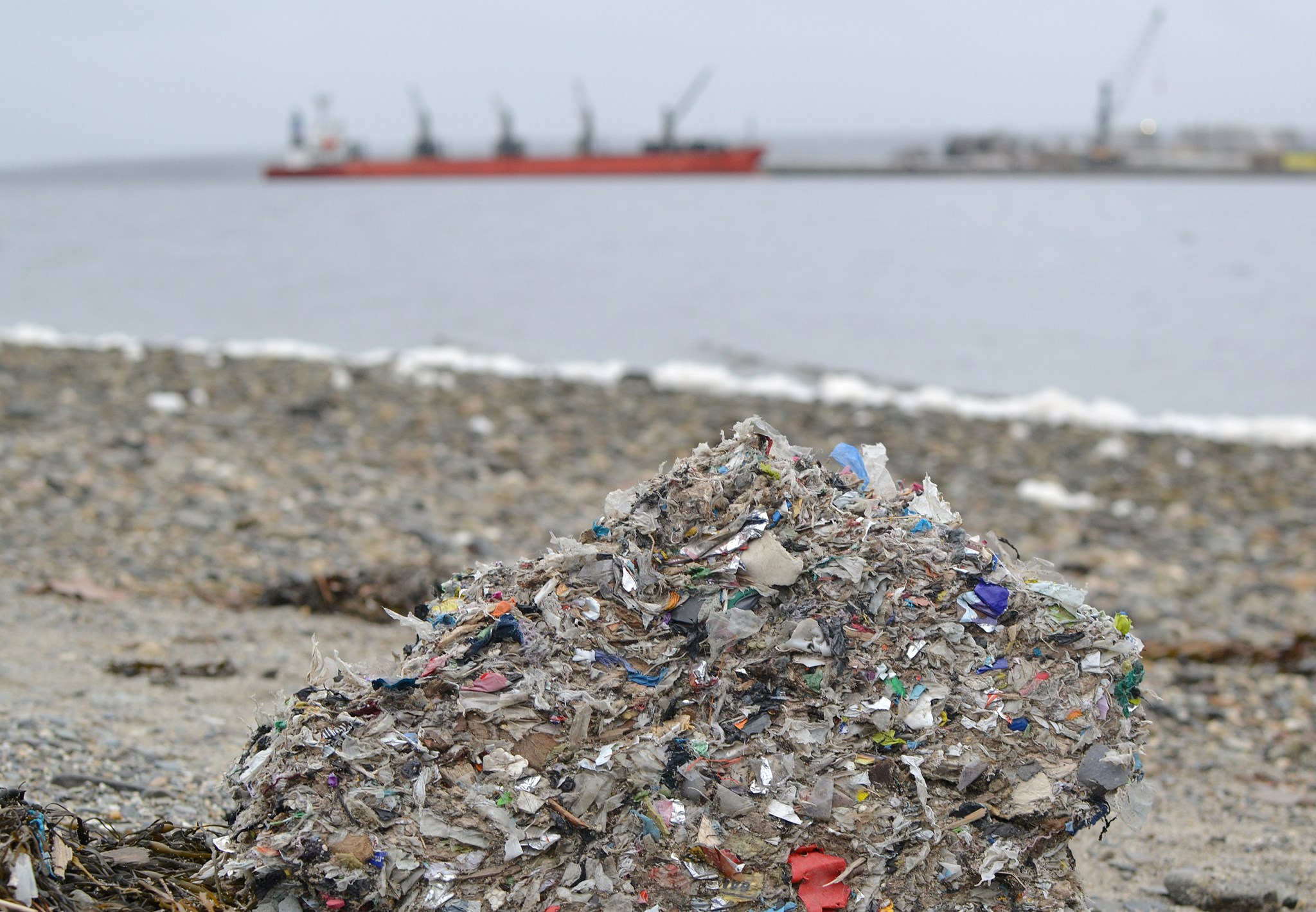
Shredded plastic collected on Sears Island
Shredded plastic destined to be burned in a waste-to-electricity plant in Maine has been washing up on the shores of Sears Island. Photograph: Material Research
Seascape: the state of our oceans is supported by
About this content

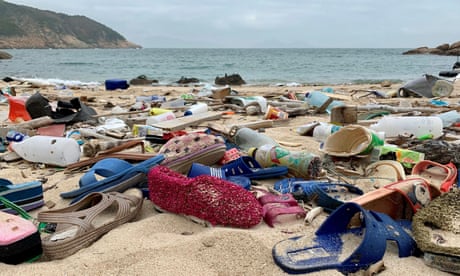
Brightly coloured plastic debris from the UK has been washing up along the coast of Maine in the US after a shipment bound for incineration fell into the sea.

The plastic debris, part of a 10,000-tonne consignment from Re-Gen Waste, a company based in Newry, Northern Ireland, has infuriated environmentalists and locals surprised to learn that the north-eastern state of Maine is importing plastic from almost 3,000 miles away.

Volunteers struggling to clear the waste from the shoreline of Sears Island, alongside a company employed to tackle it, fear they are fighting a losing battle as more plastic washes up with every tide.

Politicians and environmentalists say the US, which is the world’s biggest producer of plastic waste, should not be importing more plastic. They are concerned about the potential effects on wildlife in Penobscot Bay, home to one of Maine’s first commercial lobster fisheries.

“This event was an unfortunate and preventable accident and speaks to a larger issue, that is, how we process trash,” Genevieve McDonald, a Democratic representative in the Maine legislature, said.

“We should not be in a position where any facility needs to import trash. This came as a surprise to me because I know how much plastic we create in the US.”

McDonald, who is a commercial lobster boat captain and sits on Maine’s marine resource committee, said she was also concerned about the effect of the waste on the area’s wildlife, as well as on the lobster fishery, “a cornerstone of our marine economy here in Maine”.

In a statement, Re-Gen Waste said it was “distressed” to learn of the “unacceptable and entirely preventable” incident. The bales of what it called “waste to energy fuel”, which is diverted from landfill, were being transferred from the MV Sider London cargo ship to Mack Port in Searsport during a storm on 2 December.

During the transfer, by Sprague Energy terminal, two bales fell into Penobscot Bay. One of the bales could not be retrieved, it said, and high winds blew the plastic on to the north-west side of Sears Island. The rest of the consignment was transferred to Penobscot Energy Recovery Company (Perc) in the town of Orrington, to be used to generate electricity.

The Re-Gen Waste statement said: “We have been active in the interim, working closely with Searsport’s town manager, Sprague Energy terminal and Penobscot Energy Recovery Co, to ensure that every measure possible is employed, to redress the situation.

“A crew from Clean Harbors in Hampden was deployed to clean up the plastic that accumulated on the north-west corner of Sears Island, and students from the Maine Ocean School were mobilised to do a further sweep of the shoreline last Friday.

Shredded plastic on the beach in Maine
Volunteers have been sweeping the area for debris. Photograph: Ethan Andrews

Re-Gen Waste said it had shipped between 80,000 and 100,000 tonnes of waste into Europe and across the world and this was the first time an “offloading incident” had been reported by a port. The Guardian contacted Sprague Energy and Perc for comment but neither has yet responded.

Ron Huber, a conservationist and executive director of Friends of Penobscot Bay, said he had already been concerned about waste from New York and other parts of New England coming to Maine. “Now we’re getting Europe’s waste as well? This is a real disincentive to reduce waste: ‘Oh we’ll just take your waste and burn it.’”

He said the area was important for wildlife, including moose and deer, and that the bay was host to fish nurseries.

“So many citizens are out there picking up the waste. But the whole thing is a comedy of errors. It shouldn’t have been a week before the agencies responded. They should have nets to make sure waste bales don’t fall into the sea.”

Jim Valette, an anti-waste campaigner who runs Material Research, a “low-profit” company, said the consignment was the biggest export to the US he had seen: “It’s usually going the other way. It’s outrageous it has come to us to clean up Europe’s mess.”

On average, 1,300 containers are lost at sea every year, according to the World Shipping Council.

From 1 January, controls on transboundary waste will be tightened under the Basel convention, a treaty covering waste shipments between nearly 190 governments, including the UK. The US has signed but not ratified the convention, but the regulations are expected to affect how it trades in plastic waste.

Dec 15, 2020

Islesboro gets trashed with plastic Euro-waste

From Islesboro Island Trust 12/15/20
Plastic Waste from Ireland en route to the waste-to-energy incinerator in Orrington, Maine washes up on Islesboro

On a sunny December 2, 2020, with a brisk southerly breeze, Sprague Operating Resources dropped more than 2 tons of plastic waste next to the Mack Point terminal in Searsport while unloading a shipment of about 100 metric tons of what is called solid-recovered fuel [SRF - plastic that can’t be recycled that is processed for burning in facilities like the Penobscot Energy Company (PERC)] from the MV Sider London carrying this material from Re-Gen Waste in the United Kingdom to PERC.

John Kerr photo

Sprague did not report the spill at that time. The plastic spill was not known until six days later on December 8 when someone walking on Sears Island’s western beach noticed a huge amount of plastic, some in highly compressed chunks, mixed with seaweed along about a half-mile of the high tide line. The walker contacted journalist Ethan Andrews and the Maine Department of Environmental Protection (DEP). Andrews then broke the story to public media.

After media and DEP notification, Sprague launched a clean-up effort by contracting Clean Harbors from Hampden, Maine, who reportedly then sent a small clean-up crew to Sears Island. Hundreds of volunteers from Friends of Sears Island, the Maine Ocean School in Searsport, Upstream Watch and elsewhere provided significant additional clean-up help.

IIT learned about this plastic spill on Wednesday, December 9, after reading the brief Facebook report from Andrews. In addition to discussing this with Jon Kerr, retired biology teacher, IIT Trustee and IIT Preserves management assistant who I knew to be deeply concerned about all plastics in the world’s oceans but especially about microplastics, I walked the western shore of the Turtle Head Preserve to see whether any of the spill had washed ashore there.

Thankfully, none of this material could be seen along that stretch of Islesboro’s shore. I made two subsequent surveys here that did not reveal any of the spill at Turtle Head.

However, on Sunday, December 13, while walking the stretch of beach associated with the Red House Farm conservation easement that was given to IIT by Mrs. Owsley in 1988, Jon Kerr and Laine Alexander found some of the Irish plastic mixed with seaweed along what Jon described as an approximately 35- to 40-foot-long area of their beach. They looked both north and south of this location but did not find any more.

Jon immediately contacted IIT. IIT helped put him in touch with DEP and Ethan Andrews. Jon collected a few pieces of the shredded plastic and took pictures.

Monday, Jon wrote, “I talked to DEP this morning; was put through to three different people. Finally, was told that the cargo port was in charge of the clean-up and to contact them. I called Josh Littlefield, [Sprague manager] who is in charge of overseeing the clean-up, and left a message that the plastic is making an appearance on our shore.” Later in the day Jon reported that Littlefield “is going to try to have someone come out tomorrow [Tuesday, December 15] to look at a possible plastic clean-up plan.”

The stretch of beach where Jon and Laine found the plastic material is located on what chart’s refer to as Sprague’s Cove, roughly opposite Sprague’s Ledge and a little south of Barley Ledge. The location is not readily accessible by boat and is a considerable distance from Keller Point Road, the closest public way.

According to Friends of Sears Island President Susan White, who spent time on Sears Island helping to clean-up the plastic debris and with whom we have been in communication regarding this plastic spill, hand-picking the thousands, perhaps millions of very small pieces entangled in the seaweed is incredibly inefficient and cannot reasonably be expected to retrieve all of the pieces before continued dispersal in Penobscot Bay. Susan asks, “Who has the authority to determine when the [clean-up] work will be complete?”

IIT and others are also asking, “Where else in the Bay might this plastic be found?” Jon Kerr suggested using nets behind boats to trawl for particles. Jon spoke with Shey Conover, also an IIT Trustee and co-owner of Marshal Cove Mussels and Islesboro Marine Enterprises, about this possible attempt to assess dispersal through the Bay and she concurred, indicating that their business boats might be able to undertake just such a search through the water.

Meanwhile, The Telegraph in the UK published a piece today (December 15) titled “UK plastic waste washes up on unspoiled Maine island after falling into the sea.” FOSI’s Susan White, during a Penobscot Watershed Coalition meeting Monday to discuss plans for a watershed conference in late 2021, stepped away from her Zoom connection to take an interview from The Guardian.

The spill can be characterized as an international event of international concern.

In July this past summer, researchers from the Bigelow Laboratory for Ocean Sciences released a report on how microplastics affect lobster larvae, concluding that young larvae get microplastic fibers trapped under their shells that inhibit respiration, potentially leading to death. Older lobster larvae ingest microplastic particles, which pose health consequences for those lobsters as well as for humans who may consume them.

he Shaw Institute located just east of Islesboro in Blue Hill, Maine is a global forerunner in microplastic research. According to the Shaw Institute website (https://www.shawinstitute.org/focus/plastics-and-microplastics), their research “detected staggering amounts of microplastic fragments in water samples collected from Blue Hill and Penobscot Bays – on average, 17 plastic fragments in every liter of seawater.” Further, the Shaw Institute found significant numbers of microplastic pieces in oysters and mussels. Shaw notes that, “We are not only concerned for the health of our marine species, but by better understanding microplastics, we can help protect the health of seafood consumers.”

And all of the Shaw Institute research, of course, came before this current, massive plastic dump in Penobscot Bay immediately adjacent to and directly impacting Islesboro.

We expect an Ethan Andrews investigative piece on the spill and its effect on Islesboro later today or tomorrow in the FreePress (https://freepressonline.com/). We will continue to keep you updated as this evolving issue unfolds.

Steve Miller
Islesboro Islands Trust | P.O. Box 182, 376 West Bay Road, Islesboro, ME 04848