Search

Nov 14, 2014

Kidder Point acid spills recorded since 1983

Between 1983 and 2014  Maine DEP has records of sulfuric acid spills into the shore of Stockton harbor From Delta Chemical then General Alum aka GAC Chemical . Here are a few of them. Click on the spill#s for details.


Spill Number Report Date Town/MCD Location Spill Type Tank Type
B-257-1983 Oct 14, 1983 SEARSPORT DELTA CHEMICALS INC... Hazardous Material Incident Unknown/Unspecified
B-271-1983 Nov 9, 1983 SEARSPORT DELTA CHEMICAL KIDDER... Hazardous Material Incident Unknown/Unspecified
B-101-1984 May 27, 1984 SEARSPORT DELTA CHEMICALS INC... Hazardous Material Incident Unknown/Unspecified
B-206-1984 Sep 21, 1984 SEARSPORT
Hazardous Material Incident Unknown/Unspecified
B-221-1984 Oct 12, 1984 SEARSPORT
Oil Incident Unknown/Unspecified
B-262-1984 Dec 11, 1984 SEARSPORT
Hazardous Material Incident Unknown/Unspecified
B-10-1985 Jan 24, 1985 SEARSPORT
Hazardous Material Incident Unknown/Unspecified
B-21-1985 Feb 11, 1985 SEARSPORT
Non-Oil, Non-Hazardous Incident Unknown/Unspecified
B-121-1985 Jun 21, 1985 SEARSPORT
Hazardous Material Incident Unknown/Unspecified
B-1-1985 Nov 1, 1985 SEARSPORT
Hazardous Material Incident Unknown/Unspecified
B-304-1986 Jul 30, 1986 SEARSPORT
Non-Oil, Non-Hazardous Incident Unknown/Unspecified
B-402-1987 Oct 29, 1987 SEARSPORT
Hazardous Material Incident Unknown/Unspecified
B-250-1988 Jun 20, 1988 SEARSPORT
Hazardous Material Incident Unknown/Unspecified
B-255-1988 Jun 22, 1988 SEARSPORT
Hazardous Material Incident Unknown/Unspecified
B-300-1988 Jul 14, 1988 SEARSPORT
Oil Incident Unknown/Unspecified
B-522-1988 Nov 14, 1988 SEARSPORT
Hazardous Material Incident Unknown/Unspecified
B-579-1988 Dec 9, 1988 SEARSPORT
Hazardous Material Incident Unknown/Unspecified
B-580-1988 Dec 9, 1988 SEARSPORT
Hazardous Material Incident Unknown/Unspecified
B-610-1988 Dec 30, 1988 SEARSPORT
Hazardous Material Incident Unknown/Unspecified
B-15-1989 Jan 9, 1989 SEARSPORT
Oil Incident Unknown/Unspecified
B-65-1989 Feb 9, 1989 SEARSPORT
Non-Oil, Non-Hazardous Incident Unknown/Unspecified
B-107-1989 Mar 12, 1989 SEARSPORT
Hazardous Material Incident Unknown/Unspecified
B-147-1989 Apr 5, 1989 SEARSPORT
Hazardous Material Incident Unknown/Unspecified
B-241-1989 May 12, 1989 SEARSPORT
Hazardous Material Incident Unknown/Unspecified
B-353-1989 Jun 27, 1989 SEARSPORT
Hazardous Material Incident Unknown/Unspecified


B-604-1989 Oct 11, 1989 SEARSPORT
Hazardous Material Incident Unknown/Unspecified
B-746-1989 Nov 18, 1989 SEARSPORT
Non-Oil, Non-Hazardous Incident Unknown/Unspecified
B-42-1990 Jan 19, 1990 SEARSPORT
Non-Oil, Non-Hazardous Incident Unknown/Unspecified
B-305-1990 Jun 4, 1990 SEARSPORT
Oil Incident Underground Tank(s) Involved
B-136-1991 Mar 20, 1991 SEARSPORT
Hazardous Material Incident Unknown/Unspecified
B-249-1991 Apr 23, 1991 SEARSPORT
Hazardous Material Incident Unknown/Unspecified
B-435-1991 Jul 16, 1991 SEARSPORT
Hazardous Material Incident Unknown/Unspecified
B-637-1991 Oct 7, 1991 SEARSPORT
Non-Oil, Non-Hazardous Incident Unknown/Unspecified
B-25-1992 Jan 13, 1992 SEARSPORT
Non-Oil, Non-Hazardous Incident Underground Tank(s) Involved
B-531-1992 Oct 1, 1992 SEARSPORT
Oil Incident Underground Tank(s) Involved
B-625-1992 Nov 5, 1992 SEARSPORT
Non-Oil, Non-Hazardous Incident Underground Tank(s) Involved
B-65-1993 Feb 5, 1993 SEARSPORT
Oil Incident Unknown/Unspecified
B-344-1993 Jun 29, 1993 SEARSPORT DELTA CHEMICAL KIDDER... Oil Incident Unknown/Unspecified
B-398-1993 Jul 22, 1993 SEARSPORT DELTA CHEMICAL KIDDER... Hazardous Material Incident Unknown/Unspecified
B-2-1994 Jan 3, 1994 SEARSPORT GENERAL ALUM INC.... Oil Incident Unknown/Unspecified
B-91-1994 Feb 23, 1994 SEARSPORT DELTA CHEMICAL KIDDER... Non-Oil, Non-Hazardous Incident Unknown/Unspecified
B-567-1994 Sep 22, 1994 SEARSPORT DELTA CHEMICALS, INC.... Non-Oil, Non-Hazardous Incident Unknown/Unspecified


============================================================

GENERAL ALUM

Muncipality: SEARSPORT, Keywords: General
Please select the spill number of the report you wish to view. All reports are displayed in HTML (standard web page). If the spill number is not clickable, the spill report is pending.
Results: 1-22 of 22
Spill Number Report Date Town/MCD Location Spill Type Tank Type
B-2-1994 Jan 3, 1994 SEARSPORT GENERAL ALUM INC.... Oil Incident Unknown/Unspecified
B-64-1995 Feb 7, 1995 SEARSPORT GENERAL ALUM &... Hazardous Material Incident Unknown/Unspecified
B-395-1995 Jul 20, 1995 SEARSPORT GENERAL ALUM INC.... Oil Incident Underground Tank(s) Involved
B-319-1996 Jun 19, 1996 SEARSPORT GENERAL ALUM &... Hazardous Material Incident Unknown/Unspecified
B-383-1996 Jul 19, 1996 SEARSPORT GENERAL ALUM &... Hazardous Material Incident Unknown/Unspecified
B-80-1997 Feb 13, 1997 SEARSPORT GENERAL ALUM INC.... Hazardous Material Incident Above Ground Tank(s) Involved
B-425-1997 Aug 5, 1997 SEARSPORT GENERAL ALUM &... Hazardous Material Incident Unknown/Unspecified
B-573-1997 Oct 7, 1997 SEARSPORT GENERAL ALUM &... Hazardous Material Incident Unknown/Unspecified
B-668-1997 Nov 20, 1997 SEARSPORT GENERAL ALUM &... Non-Oil, Non-Hazardous Incident Underground Tank(s) Involved
B-220-1998 Apr 3, 1998 SEARSPORT GENERAL ALUM &... Oil Incident Unknown/Unspecified
B-308-1998 May 4, 1998 SEARSPORT GENERAL ALUM &... Non-Oil, Non-Hazardous Incident Unknown/Unspecified
B-375-1998 Jun 9, 1998 SEARSPORT GENERAL ALUM &... Hazardous Material Incident Above Ground Tank(s) Involved
B-32-2000 Jan 20, 2000 SEARSPORT GENERAL ALUM &... Hazardous Material Incident Unknown/Unspecified
B-695-2000 Nov 14, 2000 SEARSPORT GENERAL ALUM CHEMICAL... Hazardous Material Incident Unknown/Unspecified
B-478-2001 Aug 27, 2001 SEARSPORT GENERAL ALUM &... Oil Incident Unknown/Unspecified
B-62-2002 Feb 5, 2002 SEARSPORT GENERAL ALUM &... Hazardous Material Incident Above Ground Tank(s) Involved
B-297-2002 May 28, 2002 SEARSPORT GENERAL ALUM CORP... Hazardous Material Incident None
B-434-2002 Aug 20, 2002 SEARSPORT GENERAL ALUM &... Hazardous Material Incident None
B-656-2002 Dec 10, 2002 SEARSPORT GENERAL ALUM CORP... Hazardous Material Incident None
B-345-2003 Jul 20, 2003 SEARSPORT GENERAL ALUM CORP... Hazardous Material Incident Above Ground Tank(s) Involved
B-556-2004 Oct 14, 2004 SEARSPORT GENERAL ALUM &... Hazardous Material Incident Above Ground Tank(s) Involved
B-627-2004 Nov 17, 2004 SEARSPORT GENERAL ALUM &... Hazardous Material Incident Above Ground Tank(s) Involved
===============================


B-627-2004 11/178/04
B-112-2005 3/4/05 
B-35-2008  1/19/08 

B-291-2008 5/25/08
B-356-2008 6/22/08 
B-306-2009 5/11/09 
B-57-2010 2/3/2010  
B-85-2010 2/20/2010
B-305-2011 5/19/11
B-423-2012 8/17/2012

--------------------------
None of the following reports have been uploaded to the internet
2013-2015
B-657-2013 Dec 7, 2013 SEARSPORT  Pending Above Ground Tank(s) Involved
B-32-2014 Jan 12, 2014 SEARSPORT Pending None
B-70-2014 Jan 31, 2014 SEARSPORT  Pending Above Ground Tank(s) Involved
B-92-2014 Feb 20, 2014 SEARSPORT Pending Above Ground Tank(s) Involved
B-123-2014 Mar 10, 2014 SEARSPORT Above Ground Tank(s) Involved
B-135-2014 Mar 15, 2014 SEARSPORT Above Ground Tank(s) Involved

B-222-2014 May 6, 2014 SEARSPORT None
B-232-2014 May 10, 2014 SEARSPORT Above Ground Tank(s) Involved
B-245-2014 May 14, 2014 SEARSPORT Above Ground Tank(s) Involved
B-263-2014 May 27, 2014 SEARSPORT one
B-385-2014 Jul 16, 2014 SEARSPORT None
B-449-2014 Aug 20, 2014 SEARSPORT Above Ground Tank(s) Involved
B-452-2014 Aug 21, 2014 SEARSPORT    Pending None
B-460-2014 Aug 26, 2014 SEARSPORT  Above Ground Tank(s) Involved
B-70-2015 Feb 12, 2015 SEARSPORT  Above Ground Tank(s) Involved
B-120-2015 Mar 16, 2015 SEARSPORTAbove Ground Tank(s) Involved
B-216-2015 Apr 21, 2015 SEARSPORTAbove Ground Tank(s) Involved
B-243-2015 Apr 27, 2015 SEARSPORT None
B-265-2015 May 18, 2015 SEARSPORT      None
B-280-2015 May 23, 2015 SEARSPORT   None
B-425-2015 Jul 9, 2015 SEARSPORT Above Ground Tank(s) Involved
.
End of list





Nov 10, 2014

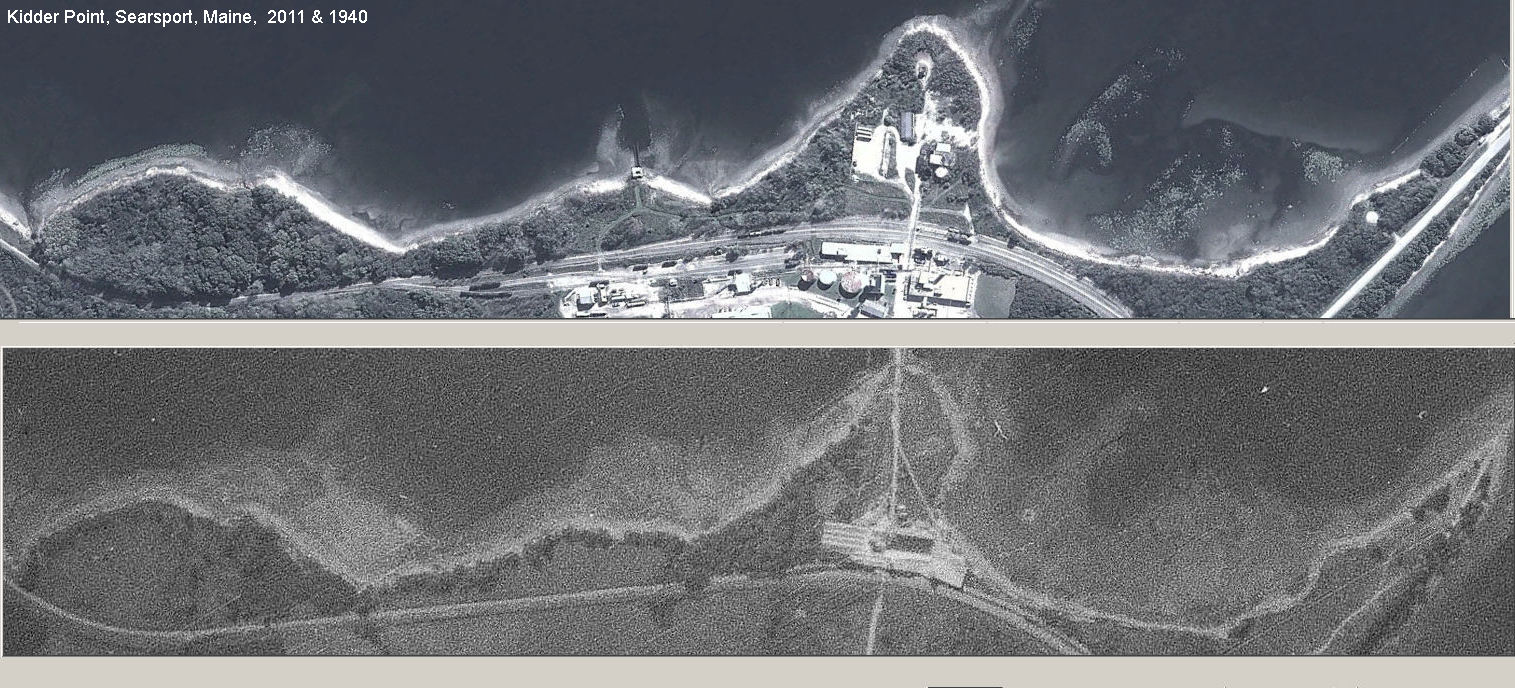
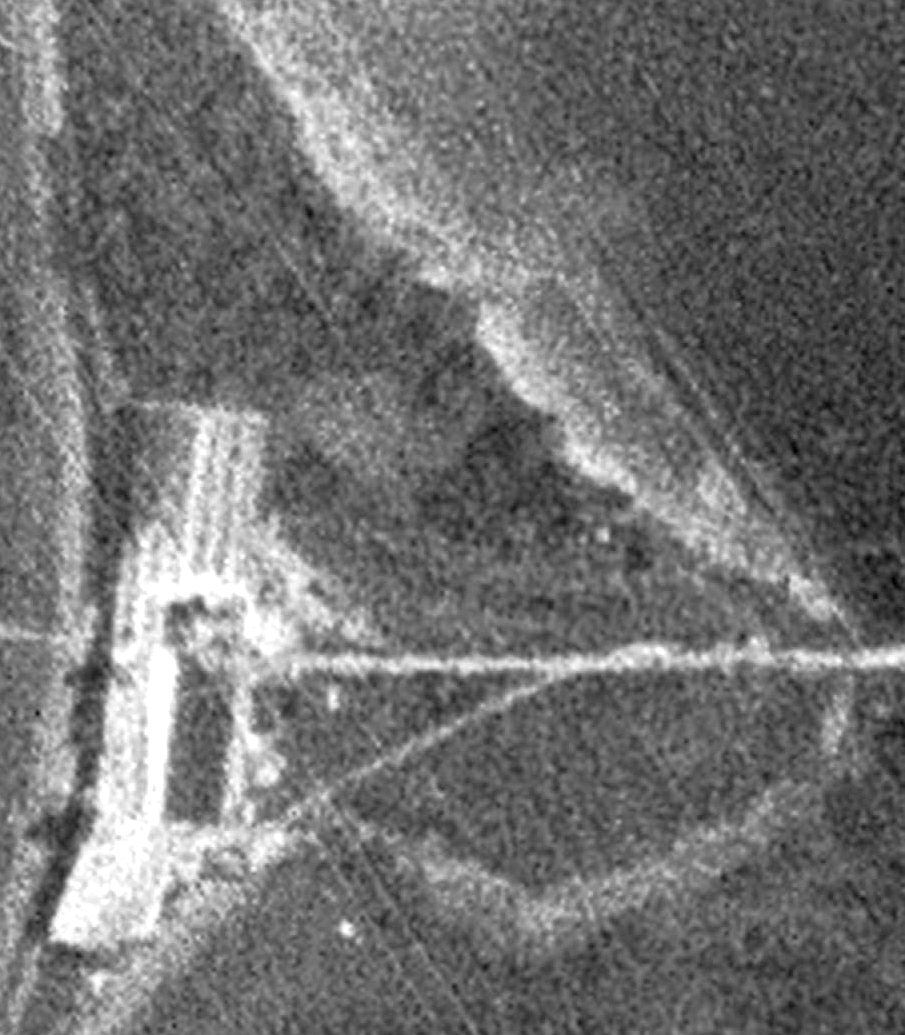
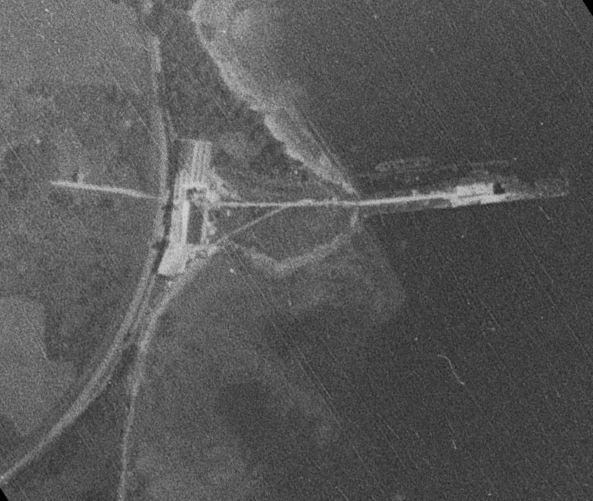
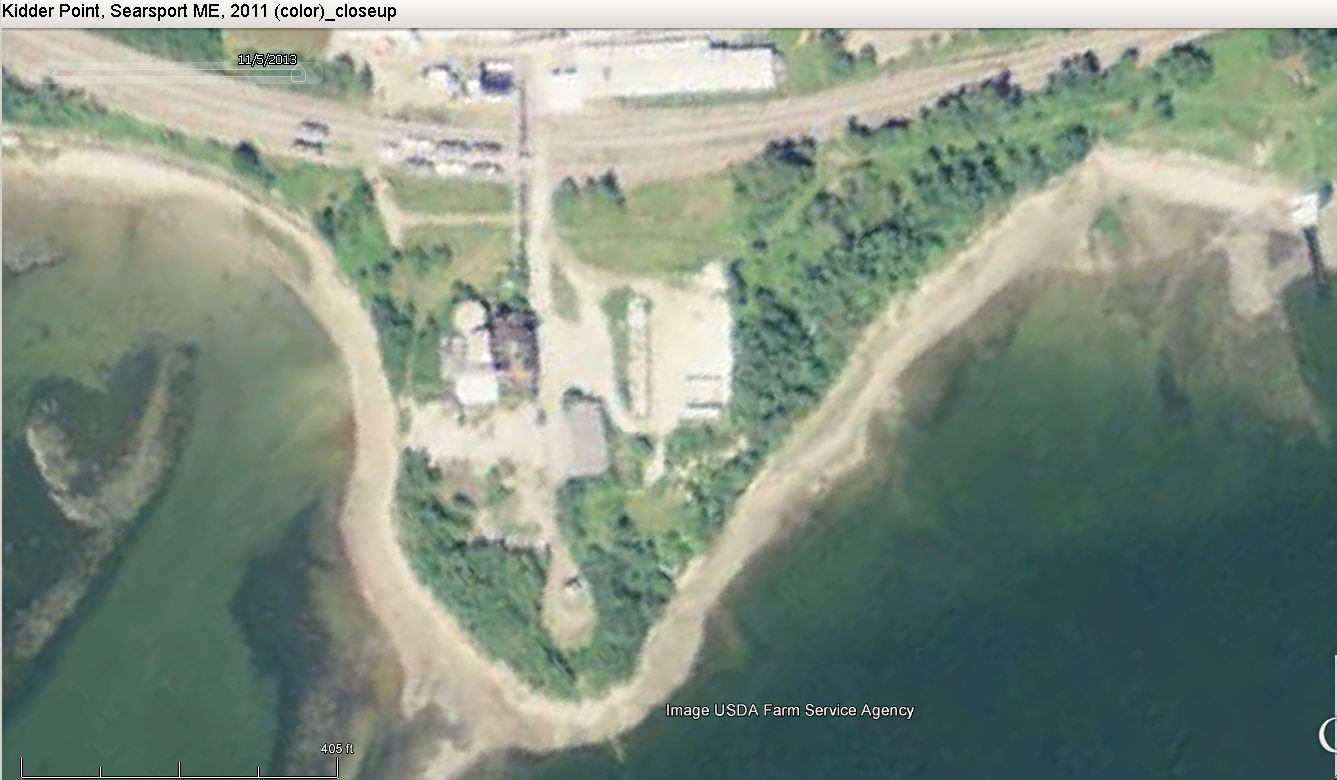
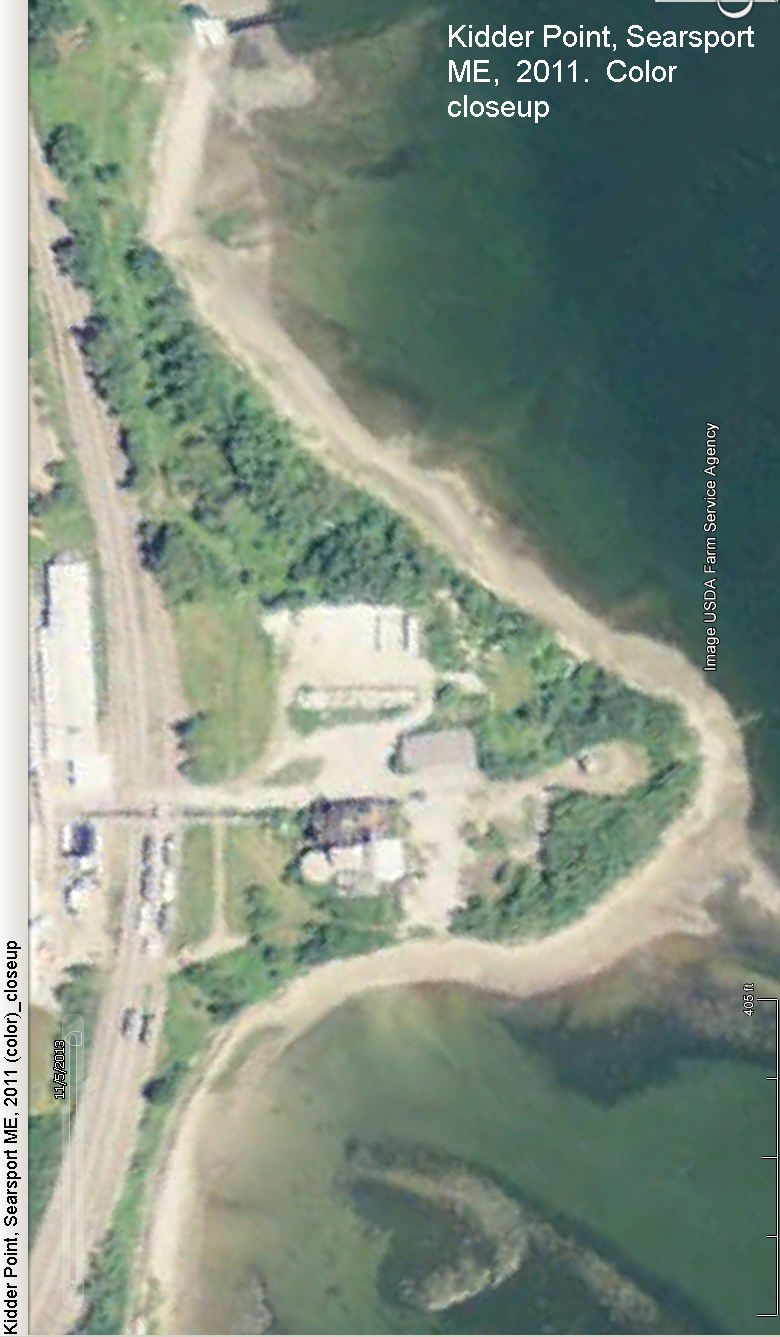
Kidder Point, Searsport. Acid and oil spills, 1983 to 2011

Sulfuric acid and oil spills by Delta Chemica General Alum and GAC Chemical


Spill Number Report Date Town/MCD Location Spill Type Tank Type
B-257-1983 Oct 14, 1983 SEARSPORT DELTA CHEMICALS INC... Hazardous Material Incident Unknown/Unspecified
B-271-1983 Nov 9, 1983 SEARSPORT DELTA CHEMICAL KIDDER... Hazardous Material Incident Unknown/Unspecified
B-101-1984 May 27, 1984 SEARSPORT DELTA CHEMICALS INC... Hazardous Material Incident Unknown/Unspecified
B-344-1993 Jun 29, 1993 SEARSPORT DELTA CHEMICAL KIDDER... Oil Incident Unknown/Unspecified
B-398-1993 Jul 22, 1993 SEARSPORT DELTA CHEMICAL KIDDER... Hazardous Material Incident Unknown/Unspecified
B-91-1994 Feb 23, 1994 SEARSPORT DELTA CHEMICAL KIDDER... Non-Oil, Non-Hazardous Incident Unknown/Unspecified
B-567-1994 Sep 22, 1994 SEARSPORT DELTA CHEMICALS, INC.... Non-Oil, Non-Hazardous Incident Unknown/Unspecified
B-64-1995 Feb 7, 1995 SEARSPORT GENERAL ALUM &... Hazardous Material Incident Unknown/Unspecified
B-319-1996 Jun 19, 1996 SEARSPORT GENERAL ALUM &... Hazardous Material Incident Unknown/Unspecified
B-383-1996 Jul 19, 1996 SEARSPORT GENERAL ALUM &... Hazardous Material Incident Unknown/Unspecified
B-425-1997 Aug 5, 1997 SEARSPORT GENERAL ALUM &... Hazardous Material Incident Unknown/Unspecified
B-573-1997 Oct 7, 1997 SEARSPORT GENERAL ALUM &... Hazardous Material Incident Unknown/Unspecified
B-668-1997 Nov 20, 1997 SEARSPORT GENERAL ALUM &... Non-Oil, Non-Hazardous Incident Underground Tank(s) Involved
B-220-1998 Apr 3, 1998 SEARSPORT GENERAL ALUM &... Oil Incident Unknown/Unspecified
B-308-1998 May 4, 1998 SEARSPORT GENERAL ALUM &... Non-Oil, Non-Hazardous Incident Unknown/Unspecified
B-375-1998 Jun 9, 1998 SEARSPORT GENERAL ALUM &... Hazardous Material Incident Above Ground Tank(s) Involved
B-32-2000 Jan 20, 2000 SEARSPORT GENERAL ALUM &... Hazardous Material Incident Unknown/Unspecified
B-695-2000 Nov 14, 2000 SEARSPORT GENERAL ALUM CHEMICAL... Hazardous Material Incident Unknown/Unspecified
B-215-2001 Apr 19, 2001 SEARSPORT TRUCK LOADING AREA &... Hazardous Material Incident Unknown/Unspecified
B-478-2001 Aug 27, 2001 SEARSPORT GENERAL ALUM &... Oil Incident Unknown/Unspecified
B-496-2001 Sep 7, 2001 SEARSPORT GAC KIDDER POINT ROAD Hazardous Material Incident Unknown/Unspecified
B-62-2002 Feb 5, 2002 SEARSPORT GENERAL ALUM &... Hazardous Material Incident Above Ground Tank(s) Involved
B-174-2002 Mar 20, 2002 SEARSPORT ACID LOADING AREA -... Hazardous Material Incident None
B-261-2002 May 6, 2002 SEARSPORT GAC CORP KIDDER POINT RD Hazardous Material Incident Above Ground Tank(s) Involved
B-297-2002 May 28, 2002 SEARSPORT GENERAL ALUM CORP... Hazardous Material Incident None
Next 25


Spill Number Report Date Town/MCD Location Spill Type Tank Type
B-434-2002 Aug 20, 2002 SEARSPORT GENERAL ALUM &... Hazardous Material Incident None
B-656-2002 Dec 10, 2002 SEARSPORT GENERAL ALUM CORP... Hazardous Material Incident None
B-345-2003 Jul 20, 2003 SEARSPORT GENERAL ALUM CORP... Hazardous Material Incident Above Ground Tank(s) Involved
B-556-2004 Oct 14, 2004 SEARSPORT GENERAL ALUM &... Hazardous Material Incident Above Ground Tank(s) Involved
B-627-2004 Nov 17, 2004 SEARSPORT GENERAL ALUM &... Hazardous Material Incident Above Ground Tank(s) Involved
B-112-2005 Mar 4, 2005 SEARSPORT GAC CHEMICAL CORP... Hazardous Material Incident Above Ground Tank(s) Involved
B-389-2006 Jul 11, 2006 SEARSPORT MONTREAL, MAINE &... Oil Incident None
B-35-2008 Jan 19, 2008 SEARSPORT MONTREAL, MAINE &... Hazardous Material Incident None
B-291-2008 May 25, 2008 SEARSPORT GAC CHEMICAL 34 KIDDER... Hazardous Material Incident Above Ground Tank(s) Involved
B-356-2008 Jun 22, 2008 SEARSPORT GAC CHEMICAL FACILTITY... Hazardous Material Incident Above Ground Tank(s) Involved
B-183-2009 Mar 13, 2009 SEARSPORT GAC CHEMICAL CORP... Oil Incident Above Ground Tank(s) Involved
B-306-2009 May 11, 2009 SEARSPORT GAC CHEMICAL COMPANY... Hazardous Material Incident Above Ground Tank(s) Involved
B-57-2010 Feb 3, 2010 SEARSPORT GAC KIDDER POINT RD Hazardous Material Incident Above Ground Tank(s) Involved
B-85-2010 Feb 20, 2010 SEARSPORT GAC CHEMICAL CO KIDDER... Hazardous Material Incident None
B-412-2010 Aug 5, 2010 SEARSPORT GAC CHEMICAL/MM&A 34... Hazardous Material Incident None
B-305-2011 May 19, 2011 SEARSPORT GAC CHEMICAL... Oil Incident None
Previous 25


Nov 8, 2014

Frankfort keps restrictive wind ordinance NOv 5, 2014

Frankfort voters reject referendum that would have repealed restrictive wind ordinance

Courtesy of: Eolian Renewable EnergyA view of Mount Waldo from the Loggin Road.
FRANKFORT — Frankfort residents voted Tuesday by 138 votes to retain their existing wind energy ordinance rather than repealing it and adopting the state's model wind ordinance. The tally was 224 in favor of repeal to 362 opposed.
The vote prevents the Waldo Community Wind project, a planned six-turbine, 18-megawatt wind power project proposed by Portsmouth, N.H.- based Eolian Renewable Energy LLC, from going forward. According to Eolian, the project would have delivered clean, emission-free power to about 6,500 homes across Maine and New England.
Frankfort had no municipal land-use ordinances before its wind energy ordinance was adopted in 2011. According to previously published reports, that ordinance came in response to the initial proposal by Eolian to erect four to six turbines on Mount Waldo.
Concerned about negative impacts on abutting properties and property owners, residents approved a 180-day moratorium in March 2011 and established a five-member committee to draft the wind energy-specific ordinance. The resulting ordinance included one-mile setbacks from abutting property lines and restrictive noise regulations that amounted to a ban on industrial-scale wind turbines. That ordinance was passed in December 2011 by only 22 votes.
The landowners of the proposed wind farm site on Mount Waldo then brought a lawsuit against the town over the ordinance. At the town meeting in March 2013, town members voted 178-131 against a consent order that would have settled the lawsuit by allowing the wind project to go forward. The item was placed on the warrant in exchange for the plaintiffs agreeing to drop monetary damage claims regardless of the outcome of the vote.
Citizens petitioned in August to bring the question to a vote, and two of the three selectmen supported placing it on the November ballot. A public hearing was held in October, which about 35 people attended, according to Frankfort selectmen. The town also held a hearing on tax-related questions about the project.
If it had gone forward, the Waldo County Wind project would have been the largest taxpayer in the town. Jack Kenworthy, CEO of Eolian, wrote in a guest column in this paper that, according to a recent analysis, "The first-year tax amount will be well above $300,000 and then the annual amounts will increase ... [which could] reduce the local mill rate by between 25 percent and 35 percent for the first three years and then by about 10 percent each year thereafter."
Eolian was also offering a $100,000 benefit package to the town that includes funds for local scholarships, support for both Frankfort fire departments, aid for several local charities and an energy rebate fund available to all Frankfort residents. The company conducted a town-wide survey and canvassed door to door for public comment to determine the most popular items to include.
However, Selectman Joe Watson said Monday, Nov. 3, that he was uncertain whether the project would indeed benefit Frankfort.
"I have no idea," he said, "They make it sound good, but we don't know. Things could change. No one really knows the answers right now."
Kenworthy said Mount Waldo is an ideal site for a small utility-scale wind energy project because of its outstanding wind resource and sufficient clearings and because there are already communication towers and electrical lines on the mountain.
Mount Waldo has a history of industrial use and grand but foiled plans. A quarry was in operation there, owned by Mt. Waldo Granite Works from 1853 to 1916, and then by Mt. Waldo Granite Corp. from 1930 to 1969, according to the Penobscot Marine Museum website.
After that company went bankrupt, the Small Business Administration loaned Buster Shapiro of Braintree, Mass. money to purchase the property. His plans to build a multimillion-dollar amusement park on the site and name it "Mohammed's Mountain," also fell through.1


1 from "Tombstones and Paving Blocks: The History of the Maine Granite Industry" by Roger L. Grindle.

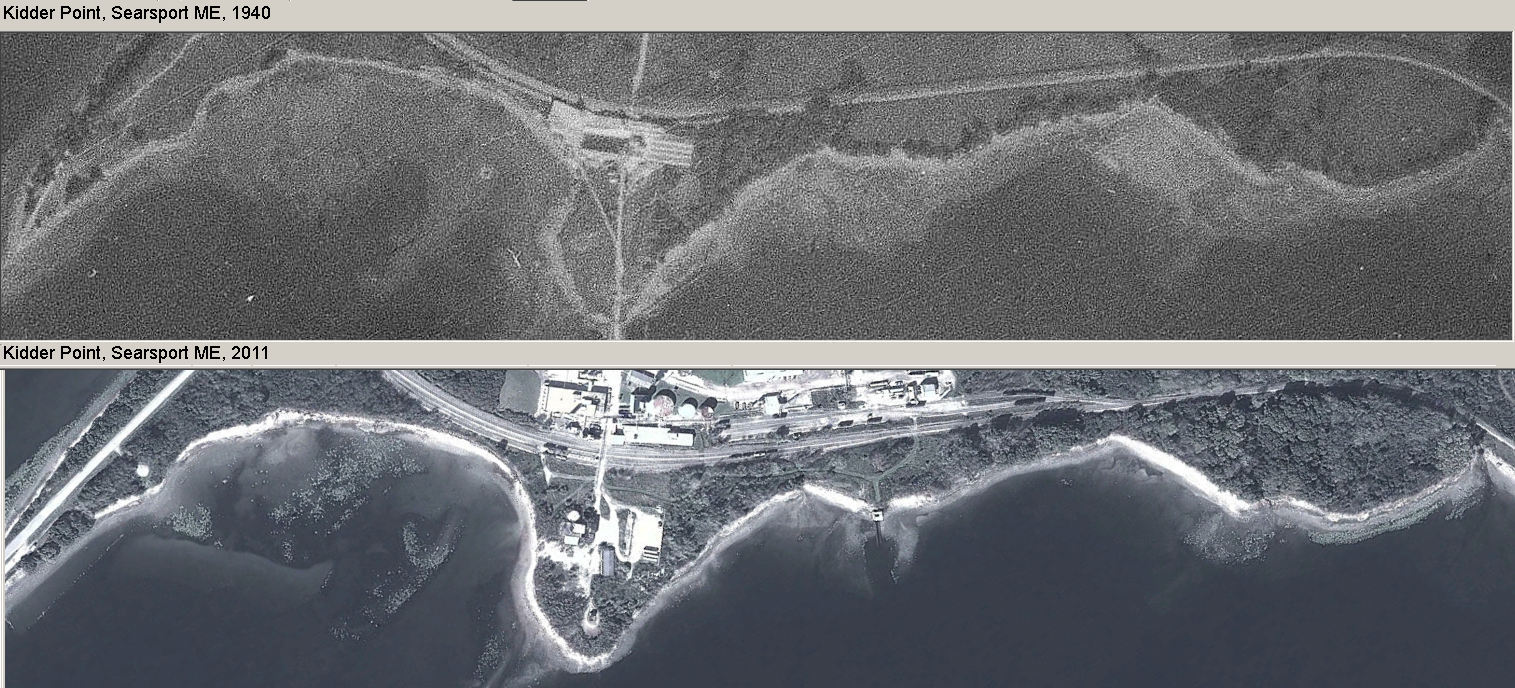
Kidder Point History. August 1974, Delta Chemical, sulfuric acid plant acid fail causes shipwreck.

Excerpt about the acid plant and its  shipwreck causing August 1974 acid smog spill on kidder point from the BAR Railroad v Fernview, vs Delta chemical etc  lawsuit  in the 1970s

EXCERPT
22. The Delta facility at Searsport consists of two separate sulfuric acid manufacturing plants, plant # 1 and plant # 2, each of which produces sulfuric acid through the "contact" process.

23. In the final stage of the contact manufacturing process sulfur trioxide ("SO3"), a colorless gas which bears a slightly pungent odor, is pumped into the bottom of an "absorber." The absorber consists of a tower packed with rashig rings which increase the contact surfaces within the tower. As SO3 enters the bottom of the absorber and is forced upward, a strong solution of sulfuric acid, a liquid, enters at the top of the absorbing tower and trickles downward. The SO3 mixes with water in the acid solution to form additional sulfuric acid, which is drawn off and stored as the product of the plant.

24. The SO3 which enters the absorber is only about 98% pure and contains residues of sulfur dioxide ("SO2"), a colorless yet extremely pungent gas which smells

[455 F.Supp. 1052]

like burning sulfur,21 and oxygen, and nitrogen, both odorless and colorless gasses.

25. Under standard operating conditions a certain amount of SO3 does not mix with the sulfuric acid solution in the absorber, but instead passes through the absorbing tower and out the stack into the atmosphere. In addition to the SO3, the residues of SO2, oxygen, and nitrogen contained in the SO3 normally pass through the absorbing tower and are emitted from the stack.22

26. Though colorless itself, SO3, when emitted from the stack, combines with moisture in the atmosphere to form sulfuric acid mist, or, as it is known more commonly, acid mist. Acid mist is visible, appears white like ordinary water vapor, and is heavier than air. Acid mist is slow to disperse under foggy or humid conditions because fog and humidity tend to entrap it. Fog and humidity also hamper the dispersion of SO2 which, like acid mist, is heavier than air.

27. The optimum concentration of the sulfuric acid solution pumped into the top of the absorbing tower is 98.5% to 98.8% sulfuric acid by weight. The remainder is water. If the strength of the acid solution exceeds 98.8%, the efficiency of the conversion of SO3 into sulfuric acid decreases and the amount of SO3 emissions passing through the absorbing tower and out the stack correspondingly increases. The other emissions, SO2, oxygen and nitrogen, remain unchanged and continue to pass out the stack.

28. The concentration of the sulfuric acid solution entering the absorbing tower is recorded on a graph by a "98% acid recorder."23 The 98% acid recorder thus enables plant operators to monitor the strength of acid solution pumped to the absorber. On the basis of data yielded by the recorder, plant operators increase or decrease the strength of the sulfuric acid solution as conditions may warrant. The sulfuric acid solution must be adjusted continually in order to maintain the proper acid strength.

29. The normal operating life of a 98% acid recorder varies from ten to twenty years. The recorder in use in Delta plant # 2 during all times material to the present litigation was eighteen years old. In the week preceding August 21, 1974, the recorder for plant # 2 was repaired or recalibrated on at least five occasions.24 Prior to August 21, Delta had available in stock a new 98% acid recorder with which it could have replaced the recorder for plant # 2.
30. Delta plant # 2 was in continuous operation on August 20-21, 1974 until 0710, August 21.

31. At approximately 0030 on August 21 Randall Blake, the "A" operator for plant # 2 observed that the plant's 98% acid recorder had begun to malfunction.25 The recorder continued to malfunction throughout the early morning hours of August 21 and ceased to measure accurately the concentration of the sulfuric acid solution which entered the absorber.26 Without benefit of the information provided by a fully operational recorder, the plant in effect was "flying blind" from approximately 0030-0100 onward.27 However, at no time after Delta personnel had become aware of the malfunction were instrument technicians called in to repair the recorder.

32. As a result of the recorder malfunction, the operators of plant # 2 permitted the strength of the sulfuric acid solution which was pumped into the absorber to creep above the optimum concentration of 98.5% to 98.8% sulfuric acid.
Increased acid strength caused excessive amounts of SO3 to escape from plant # 2 during the early morning,28 along with the residual emissions of SO2, oxygen, and nitrogen. The plant continued to produce excessive emissions until it was shut down due to these emissions around 0710.29 The plant was not equipped with instrumentation capable of measuring the volume of emissions which passed through the stack during the period. Hence, it cannot be determined precisely how much gas was emitted on August 21.30

33. Delta personnel had known of the repeated malfunctions of the 98% acid recorder for plant # 2 which had occurred in the days immediately preceding August 21 and had learned of the latest recorder malfunction approximately six and one-half hours before the plant was ordered shut down and approximately seven hours prior to the FERNVIEW's collision with the BAR dock.

34. Although both Bennett and Harry L. Burns, the shift supervisor who succeeded Bennett at 0630 on August 21, possessed the authority to shut the plant down because of excessive emissions, neither did so.

35. Upon entering the atmosphere, the excessive SO3 emissions produced by plant # 2 reacted with moisture in the air to form clouds of acid mist. Some of this acid mist, along with the other emissions normally produced by the plant (SO2, oxygen and nitrogen), were carried by winds southwesterly to the BAR dock. The acid mist to some degree contributed to and made more dense the preexisting natural fog which the FERNVIEW encountered during its attempt to land at the dock.31

Rockport Harbor, according to the Maine Coastal Pilot

(443) Rockport Harbor, on the west side of West Penobscot Bay about 4 miles northward of Rockland Harbor, is a good anchorage for vessels of any size, sheltered from all but southerly winds, and is easy of access. The harbor is about 0.7 mile wide at the entrance between Indian Island and the western shore, and gradually narrows to the head.

(444) Rockport is a town at the head of the harbor at the entrance to Goose River.

(445) 
 Prominent features 
(446) Lowell Rock Light 2 (44°09.8'N., 69°03.6'W.), 25 feet above the water, is shown from a spindle with a triangular red daymark on the south end of Lowell Rock. A fairway bell buoy 0.4 mile southeast of the light marks the entrance to the harbor. A clock tower at the head of the harbor is conspicuous. Beauchamp Point,the eastern point of Rockport Harbor north of Indian Island, is prominent.

(447) 
 Channel 
(448) The entrance is deep and clear with the exception of Porterfield Ledge in the middle of the entrance. The depths in the channel range from over 50 feet in the entrance to 8.3 feet at the head. Passage is sometimes made by local small craft at high water across the ledge between Indian Island and Beauchamp Point.

(449) 
 Anchorages 
(450) Vessels can anchor anywhere between the entrance and a point 1 mile southward of the head, in depths of 42 to 63 feet, soft bottom. Small vessels and motorboats can find anchorage nearer the head.

(451) 
 No-Discharge Zone 
(452) The State of Maine, with the approval of the Environmental Protection Agency, has established a No-Discharge Zone (NDZ) in the coastal waters of Camden, Rockport, Rockland, and portions of Owls Head (see chart 13307).
(453) Within the NDZ, discharge of sewage, whether treated or untreated, from all vessels is prohibited. Outside the NDZ, discharge of sewage is regulated by 40 CFR 140 (see chapter 2).

(454) 
 Dangers 
(455) Porterfield Ledge, in the middle of the entrance to Rockport Harbor, uncovers several feet at low water; a daybeacon is on the ledge. Indian Island, on the eastern side of the entrance, is grassy and marked at its south end by an abandoned lighthouse. An unmarked fish weir is on the west side of the harbor, about 0.3 mile southward of the entrance to Goose River.
(456) Seal Ledge, uncovered at low water, on the east side of the harbor about 0.7 mile northward of the light, is marked by a daybeacon.

(457) 
 Routes 
(458) Vessels can enter Rockport Harbor on either side of Porterfield Ledge Daybeacon, giving the daybeacon a berth of at least 150 yards. When in the harbor stand northward in midharbor until 0.3 mile from the head, then slightly favor the eastern side.

(459) 
 Supplies 
(460) Gasoline, diesel fuel, ice, provisions, and some marine supplies can be obtained in Rockport.

(461) 
 Small-craft facilities 
(462) A public float landing, maintained by the town of Rockport, is at the east side of the entrance to Goose River, at the head of the harbor. Depths of 3 feet are reported alongside the float; water is available. The Rockport Yacht Club, close westward, has a float landing with 3 feet reported alongside. There are a number of private wharves in the harbor.
(463) A boatyard, close eastward of the public landing, has a 12-ton mobile hoist and facilities for open or covered winter storage. Depths of 8 to 10 feet are reported alongside the floats. Hull and engine repairs can be made, and gasoline, diesel fuel, water, ice, electricity, marine supplies, and transient moorings are available. The yard builds boats up to 45 feet long.
(464) A municipal marina park is on the west side of the harbor, about 120 yards west of the boatyard. Transient berths, with depths of 3 to 8 feet reported alongside the floats, are available.

(465) The town harbormaster can usually be found at the park. A speed limit of 5 mph is enforced in the harbor.

(466) 
 Communications 
(467) Local taxi service is available as is through bus service.

(468) Deadman Point is about 0.4 mile northeast of Indian Island. Hog Cove, on the north side of Deadman Point, has two private piers with float landings. Hog Cove Ledge extends about 0.4 mile above Deadman Point and forms the eastern side of the cove. Goose Rock is a bare ledge about 0.2 mile north of Hog Cove Ledge. A 12-foot spot 0.4 mile northeast of Deadman Point is marked on the east side by a buoy.

(469) The Graves, about 1 mile offshore, midway between the entrance to Rockport and Camden Harbors, is a ledge showing bare rocky heads at high water and a large area that uncovers at low water. A lighted gong buoy is just eastward of The Graves.

(470) Camden Harbor, on the west side of West Penobscot Bay about 6 miles north of Rockland Harbor, is the approach to the town of Camden. The harbor is frequented by many yachts and small craft.

Oct 29, 2014

News! GAC to voluntarily test samples of shoreline sediment.

GAC to voluntarily test samples of shoreline sediment

By Jordan Bailey | Oct 24, 2014     Reposted from Waldo Village Soup
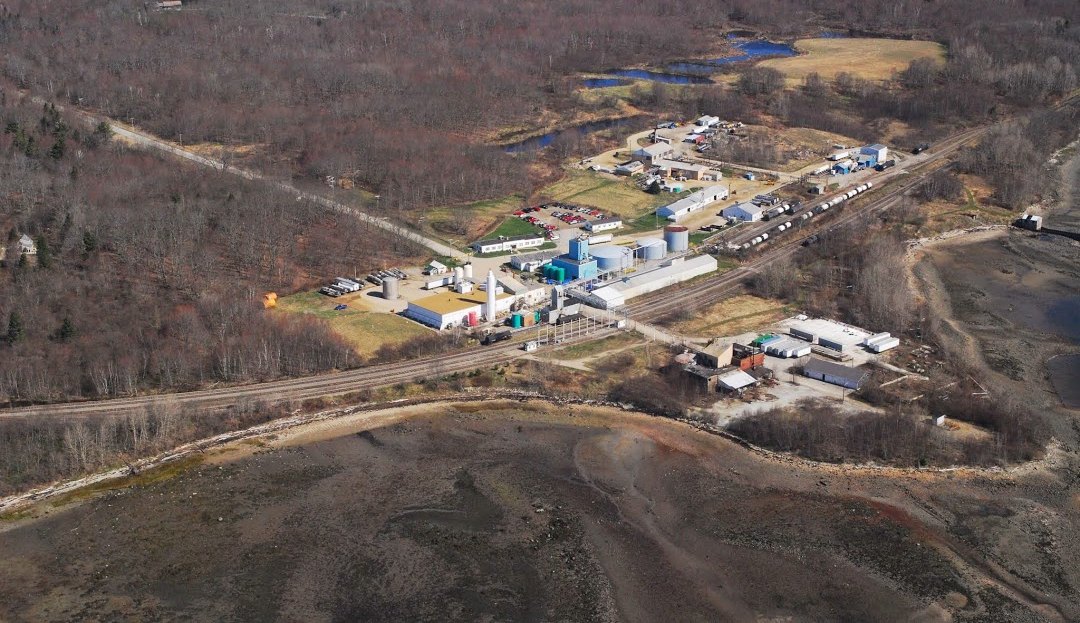
Photo by: Jordan BaileyAerial view of GAC Chemical Corporation, courtesy of Project LightHawk.
SEARSPORT — GAC Chemical Corp., located on Stockton Harbor in Searsport, has voluntarily entered into an agreement with the Maine Department of Environmental Protection to investigate whether its shoreline is contaminated from historic uses of the site, and if it is, to clean it up.
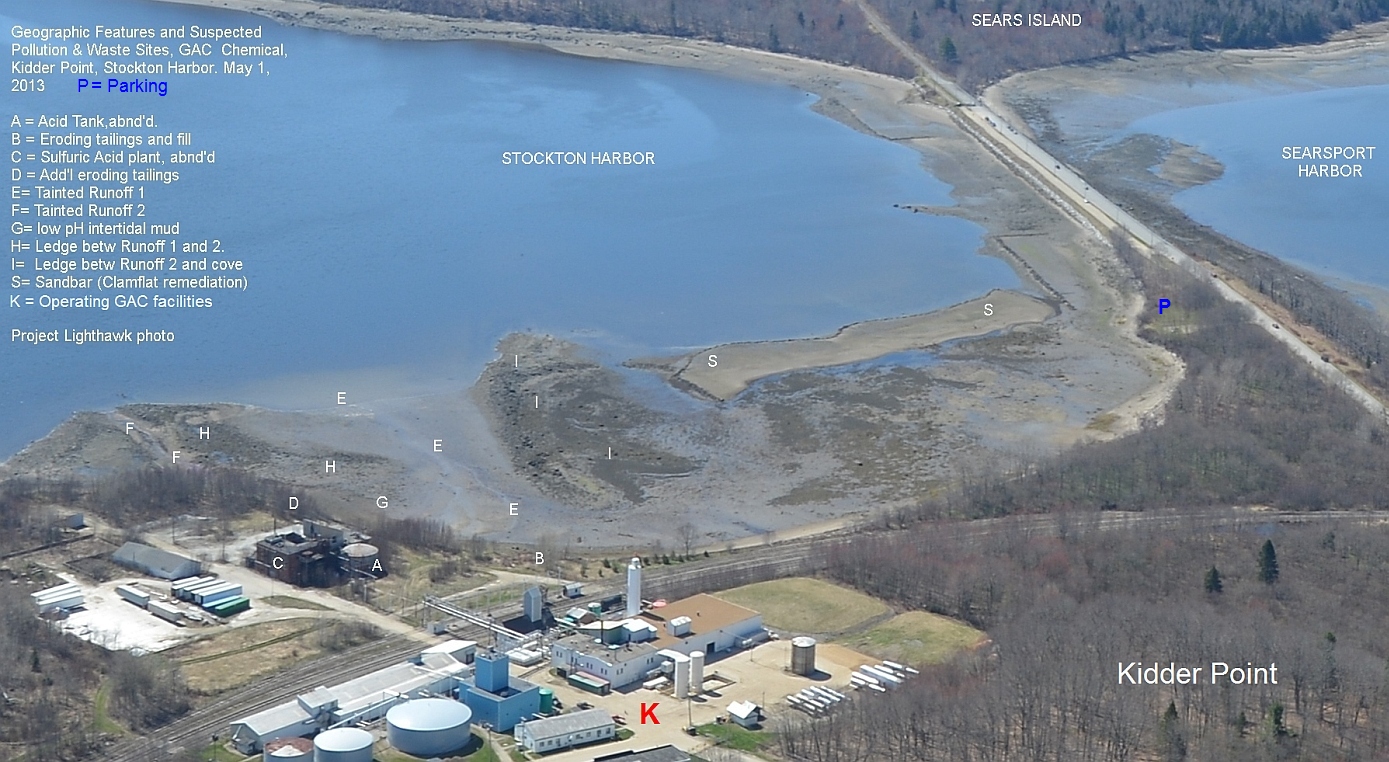
Community members have raised concern that a former sulfuric acid manufacturing facility on the western side of the property may be leaching contaminants to the shore and adjacent mudflats, and are now advocating that the public be involved in the development of the voluntary investigation and possible clean-up plan.
The state's Voluntary Response Action Program provides liability protection for  applicants and others in exchange for investigation and cleanup.
According to Maine statute, to be protected from DEP enforcement actions, the VRAP applicant must "undertake and complete response actions to remove or remedy all known discharges, releases and threatened releases at an identified area of real property in accordance with a voluntary response action plan approved by the commissioner,” or partially clean up the site if the cleanup action protects public health and the environment.
Nick Hodgkins, VRAP coordinator at the department, confirmed that the chemical company is participating in the program. GAC will submit sampling data to DEP for review, and from there, additional testing or a remedial plan could follow.
Past studies 
“The intertidal area below GAC Chemical has been studied extensively over the last 30 years in coordination with the Maine DEP,” GAC president David Colter wrote in an email to The Republican Journal.
“A past study completed by the Marine Environmental Monitoring Program states that 'marine life in the area is reproducing and growing' and no remediation of the area is recommended," he said. "Our voluntary entry into [VRAP] demonstrates GAC’s willingness to perform further testing in an effort to determine the current status of conditions in the intertidal area.”
Colter also said that information being disseminated about the condition of the intertidal area is not accurate, and said “we encourage anyone with questions to contact us or the DEP directly to obtain accurate information.”
FOPB concerns
Local activist group Friends of Penobscot Bay has been pressuring municipal, state and federal authorities to conduct a full investigation of the site, including sampling and testing of the shoreline sediments near the former plant. The group collected mud samples there and sent them to Dr. Mark Green, an oceanography professor at St. Joseph's College and a state Ocean Acidification Commission member, who found them to be highly acidic.
Green concluded in an April 9 report on his study of the samples, “Results presented here clearly demonstrate a significant anthropogenic acid source and should merit concern for the well-being of local residents in contact with these sediments, recreation in the immediate area and wildlife.”
No official investigation to verify these results has been initiated by DEP, the U.S. Coast Guard or the Environmental Protection Agency, or by the Searsport Select Board, which FOPB members addressed July 15. DEP determined no additional action was necessary and the other three bodies deferred to DEP's conclusion.
FOPB has been in communication with GAC as well about its concerns. According to emails between Colter and FOPB President Ron Huber, which Huber provided to The Journal, Colter and FOPB members conducted a site walk of the GAC property in July 2012Colter agreed GAC would clean up much of the inert ceramic debris and look into options for dealing with erosion of the banks along the shore.
In May 2014, Colter wrote to Huber: "Over the past nine months we have had our shoreline reviewed and/or inspected by seven representatives from the Maine DEP and licensed professionals from an environmental consulting firm hired by GAC. It was determined that the erosion along our shoreline is not significant and does not require immediate attention." Colter indicated then that the company was considering voluntary action at the site.
Under state oversight
A DEP memo details one visit to the site in October 2013 in which officials visually inspected the sediment and potential pollution sources, and determined no further action was necessary.
The officials reviewed logs of boring samples taken in the 1980s. Sulfur was noted in the logs as being present in one boring. Around the former sulfuric acid plant, the memo notes, “small pieces of sulfur were visible on the surface … and some yellow discoloration was apparent, primarily south and west of the plant” in a "poorly vegetated area" and that “it looks as though surface water runoff would flow over the bank ... toward an area of the shore where we noted discoloration in the intertidal area.” Gradual erosion was also noted.
Kelsey O'Neil, community involvement coordinator at the EPA New England office, said an investigation is referred to the EPA by a state's environmental department if it is unable to respond adequately to a problem with resources it has available, which has not happened in this case.
“It is under the state's oversight at this point,” she said.
Call for public involvement
Although the EPA will not be devoting any resources toward an investigation of the GAC site, James Chow of the EPA enforcement office did make a phone call to Hodgkins at DEP in which he advised Hodgkins that there is significant community and public interest in the area and encouraged him to afford the public an opportunity to be involved.
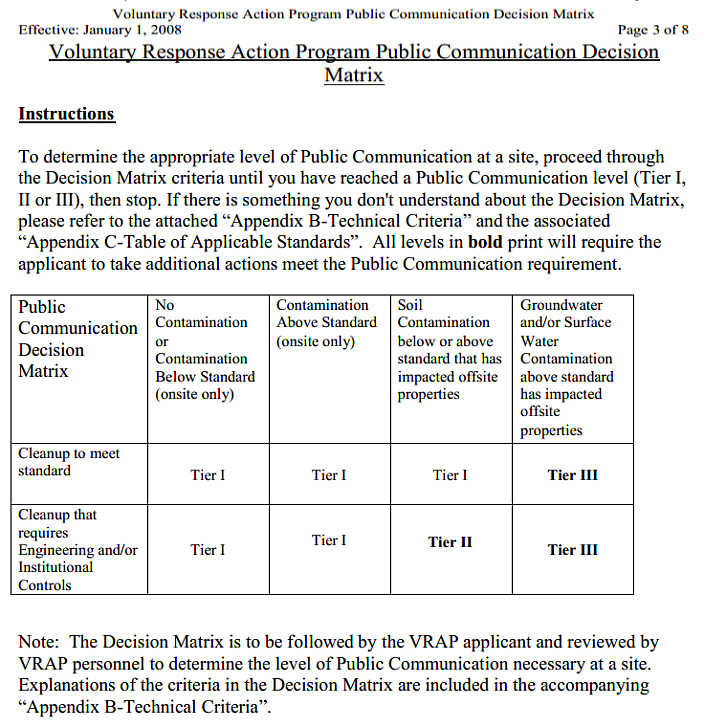
There are three tiers of public involvement to which a VRAP project may be required to adhere, ranging from maintaining a public record and listing the site on the Division of Remediation site list, to notifying the municipality and adjacent property owners about activities on the site, to a Tier 3 requirement for public review and comment on the proposed work plan.
FOPB is calling for Tier 3 public involvement for the site. Hodgkins told Chow the Tier 3 requirement would be triggered if any off-site contamination is found.
FOPB has contacted the Army Corps of Engineers and, at the suggestion of Mike Barry of EPA, will contact the National Oceanic and Atmospheric Administration to request that it initiate a National Resource Damage Assessment Process to determine if federally owned property at Sears Island has been impacted by contaminants from the GAC property.
GAC has not submitted a sampling plan to DEP as of Oct. 21, so it is uncertain how extensive the sampling will be.
"We will continue to work to ensure that our operations are conducted consistent with all environmental and other regulatory requirements," Colter said. "We believe in working proactively with regulatory authorities, which we have done and will continue to do."

Oct 15, 2014

Gulf of Maine weather buoys enter replacement phase PlusTEXT-A-BUOY

Tom Shyka  of NERACOOS' short update on our Gulf of Maine weather buoys  and note that a buoy off Monhegan has gotten loose and is drifting about.

Click here for a map with links to all the science and weather buoys off new England and up its rivers

Buoy Refreshment – Gulf of Maine data buoys are currently going through a replacement phase during the Fall. Deployed data buoys are being replaced with refreshed buoys to ensure maintenance and reliability of their systems. Mr. Shyka highlighted that Buoy E, which is usually deployed South of Monhegan Island is currently adrift and is short listed for recovery and replacement. The buoy refreshment operation will extend through October and November.

Text-a-Buoy – The text-a-buoy system was discussed as a simple tool to receive important offshore buoy data via text. See http://www.neracoos.org/datatools/text-a-buoy for more details and to sign up.

NERACOOS' new data portal  will "pull critical wind, wave, water level and other data from various sources into one consolidated portal. The system is expected to be very valuable in forecasting coastal flooding following  major storms/hurricanes .  http://www.neracoos.org/realtime_map
The NERACOOS website www.neracoos.org provides a variety of ocean and weather data displays. Contact Tom Shyka tom@neracoos.org with questions.

Oct 3, 2014

GAC Chemical's Water Pollution Waterloo?

For Immediate release

SEARSPORT.  While MDEP has announced that it is pondering a GAC pollution pardon, Penobscot Bay environmental and seafood advocates
 hold talks with federal EPA officials on 10am Friday October 3rd over the acid plumes visibly leaving GAC Chemical's property on Stockton Harbor.

Activists say  a thorough and comprehensive cleanup  plan must be agreed to by the bay's fishery and conservation communities  and the state before immunity is granted to polluter GAC Chemical

PRESENT SITUATION State and federal officials are at cross purposes over what to do  about chronic sulfuric acid spiller/leaker GAC Chemical Corp and half century of discharges into extensive tidal flats  of the southwestern corner of Stockton Harbor.

EPA officials say their hands are tied by Maine DEP's refusal to allow them   to examine the plume-beribboned site in Searsport, a semi-enclosed pocket cove  created by construction of the Sears Island Causeway  which created a barrier between Stockton Harbor and Searsport Harbor, and a mitigation sandbar that separates the pocket cove from the rest of the harbor  much of the time.

While the federal agency marks time, the state is  working out a deal with GAC. They have finally opened negotiations on a voluntary cleanup of the abandoned sulfuric acid plant perched atop the tip of Kidder Point.

This after 15 years of ignoring calls to organize a  Voluntary Response Action Plan for the site.  Late last week Maine DEP pollution cleanup official Nick Hodgkins told Friends of Penobscot Bay that the agency recently held talks with the company about remediating its abandoned sulfuric acid plant and adjacent wastes.

Hodgkins said the company is expected to present DEP with a preliminary plan in November.  The VRAP deal would  pardon GAC  for  discharging sulfuric acid and other wastes into Stockton Harbor in violation of Maine's  pollution laws.

The Friends of Penobscot Bay are insisting that under VRAP's decision matrix, Maine DEP needs to incorporate "Tier III" extensive community review of  GAC's  cleanup plan. Under Tier III  the community has a say in the extent of  cleanup  the company must perform. More about the Matrix

FOPB executive director  Ron Huber said that the people who fish, clam, birdwatch and beachcomb there want the cleanup as complete as possible.

"Unless they get to put their two cents in," Huber said, "the state could approve a  token cosmetic cleanup that doesn't stop the pollution of the harbor, nor remove the waste already tainting a portion of the flats.

That's not going to happen, he said.

This won't be easy for DEP. .  "GAC Chemical's CEO David Colter and Governor Lepage  are close acquaintances,"  he  noted. "The governor  just gave GAC Chemical a 'Business Excellence' award for a successful trade mission.  But these don't absolve GAC  of accountability for the decades of acid waste discharges from their property."

"True Business Excellence includes GAC dealing with its legacy wastes" Huber said. "If GAC will stop beating the bay, we will give them an Environmental Excellence award."

Historic Pollution Well Documented
Activists contend the state's own documents show that between 1940 and 1970,  large amounts of waste from fertilizer and alum manufacturing operations  were dumped into wooden containment cells along the company-  owned shoreline  along Kidder Point.

The records also detail numerous acid spills large and small that have gone gone directly into those collapsing containment cells.

"Their 1980s acid spill maps show unlawfully low pHs in the same vicinity that we citizen scientists and  a university professor detected last  year." said Ron Huber  of Friends of Penobscot Bay. This is  a chronic problem that is not going to fix itself.  EPA knows it. DEP knows it. GAC has finally admitted that it too knows it."

Further, the group says,  federally owned flats and beaches across the pocket cove from GAC Chemical  are being impacted by  the highly acidic plumes that  emanate from beneath the abandoned sulfuric acid facility  and travel across  that pocket cove.  They say that  EPA has no choice but to protect "their" property from the GAC pollution.

"GAC has pulled the trigger," said Ron Huber of Friends of Penobscot Bay. "Uncle Sam can try to pretend GAC missed, but that red fluid leaking out and across the people's clamflats there tells a different story


A number of hazardous air pollutants (HAPs) have been identified by SPECIATE as being present in the phosphate manufacturing process. Some HAPs identified include hexane, methyl alcohol, formaldehyde, methyl
ethyl ketone, benzene, toluene, and styrene. Heavy metals such as lead and mercury are present in the phosphate rock. The phosphate rock is mildly radioactive due to the presence of some radionuclides.
No emission factors are included for these HAPs, heavy metals, or radionuclides due to the lack of sufficient data.