Search

Showing posts with label Wabanaki. Show all posts

Aug 23, 2008

Asticou's Island Domain: Wabanaki Peoples from Castine to Gouldsboro 1500–2000

The Wabanaki have lived in the Penobscot Bay area and elsewhere along the New England coast for about twelve thousand years. A recent free e-book: Asticou's Island Domain: Wabanaki Peoples at Mount Desert Island 1500–2000, offers a look back into their lives.

Much has been lost The European invasions of the 16th and 17th centuries brought smallpox, cholera and influenza, diseases against which the Wabanaki had no natural immunities. The e-book notes that

"These scourges, added to the lethal combination of firewater and firearms, almost wiped Maine’s indigenous coastal peoples from the face of the earth. Within a few decades, up to 90 percent of the Wabanaki perished in this American Indian holocaust."

Ninety percent!

Asticou's Island Domain only treats upon those later years of the Wabanaki's stewardship of our area from East Penobscot Bay to Frenchman's Bay.

An important read. The book is available as two pdf files Click Here

Mar 25, 2008

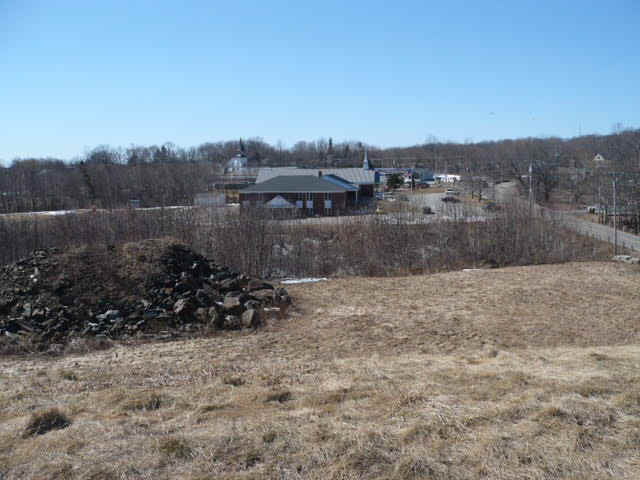
Historic Wabanaki camp in Rockland ravine to be 'time capsuled'.

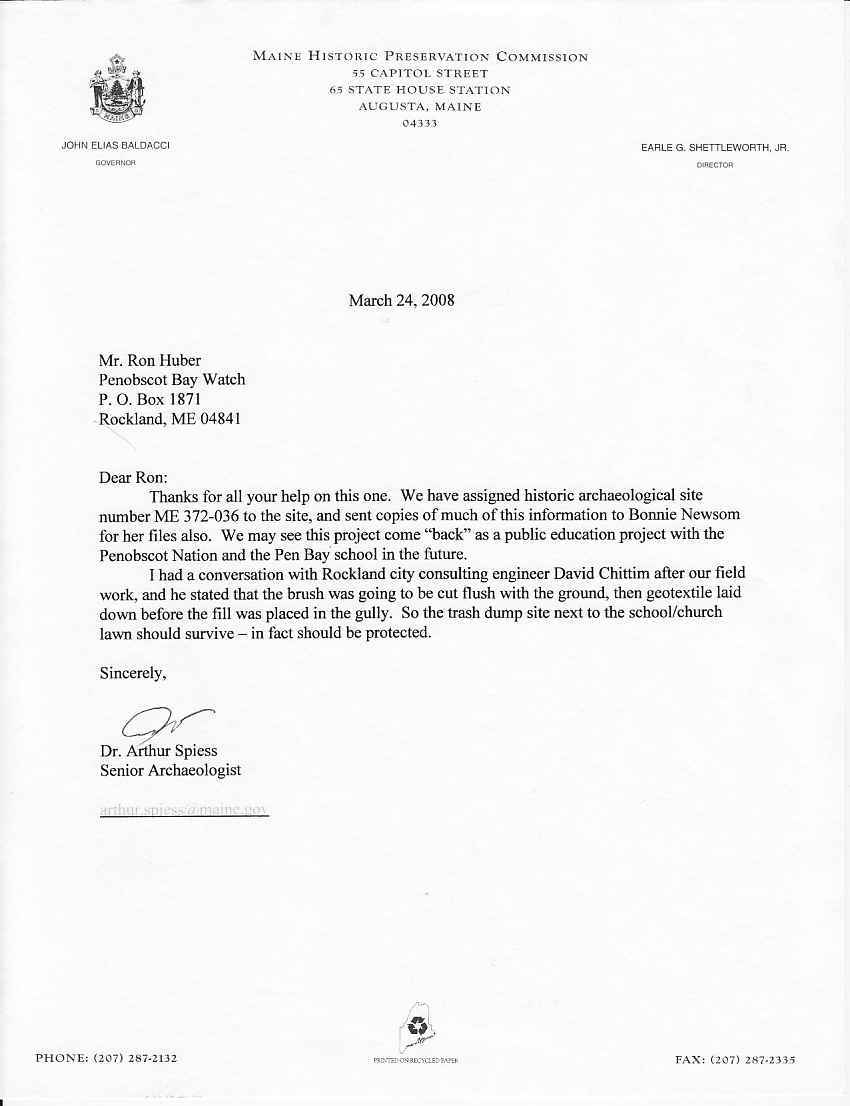
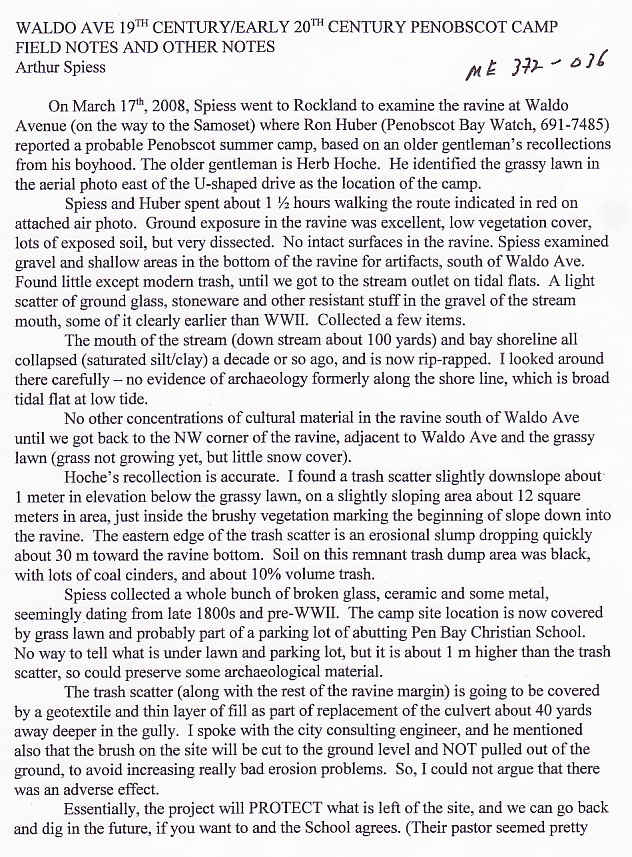
Maine State Archaeologist Arthur Spiess has written us with a report on his recent examination of a ravine on the northwest edge of Rockland Harbor. He'd gone there an inquiry from Penobscot Bay Watch concerning a recollection from a retired fisherman that Indians had made a summer camp there in the 1940s. The camp's location on the then-Samoset Road allowed them to sell basketry and other craft goods to tourists visiting or departing the first Samoset Resort.

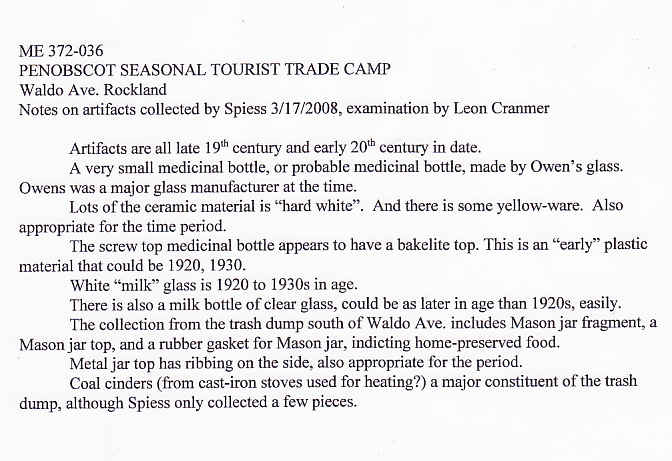
Archaeologist Arthur Spiess found an relatively undisturbed trash midden on the upper edge of the ravine. Its contents dated from the late 19th century to the 1940s, leading him to concur with the fisherman's account--that a summertime Indian encampment occupied the ravine site in the late 19th and early 20th centuries.

If confirmed, the location, dubbed ME 372-036 would be the first coastal Indian campsite of that era to be found and examined in midcoast Maine.
Audio mp3 of the field visit. More Details: Click here Examination will have to wait, as ME 372-036 will be lightly buried upon the imminent filling of the ravine. Covered by geotextile cloth, then soil and sod, it will be available for future archeological digs in the coming years.

Dr. Spiess' further inquiries have found that Passmaquoddy Indians also camped at the ravine site.