Search

Showing posts with label microplastics. Show all posts

Apr 22, 2025

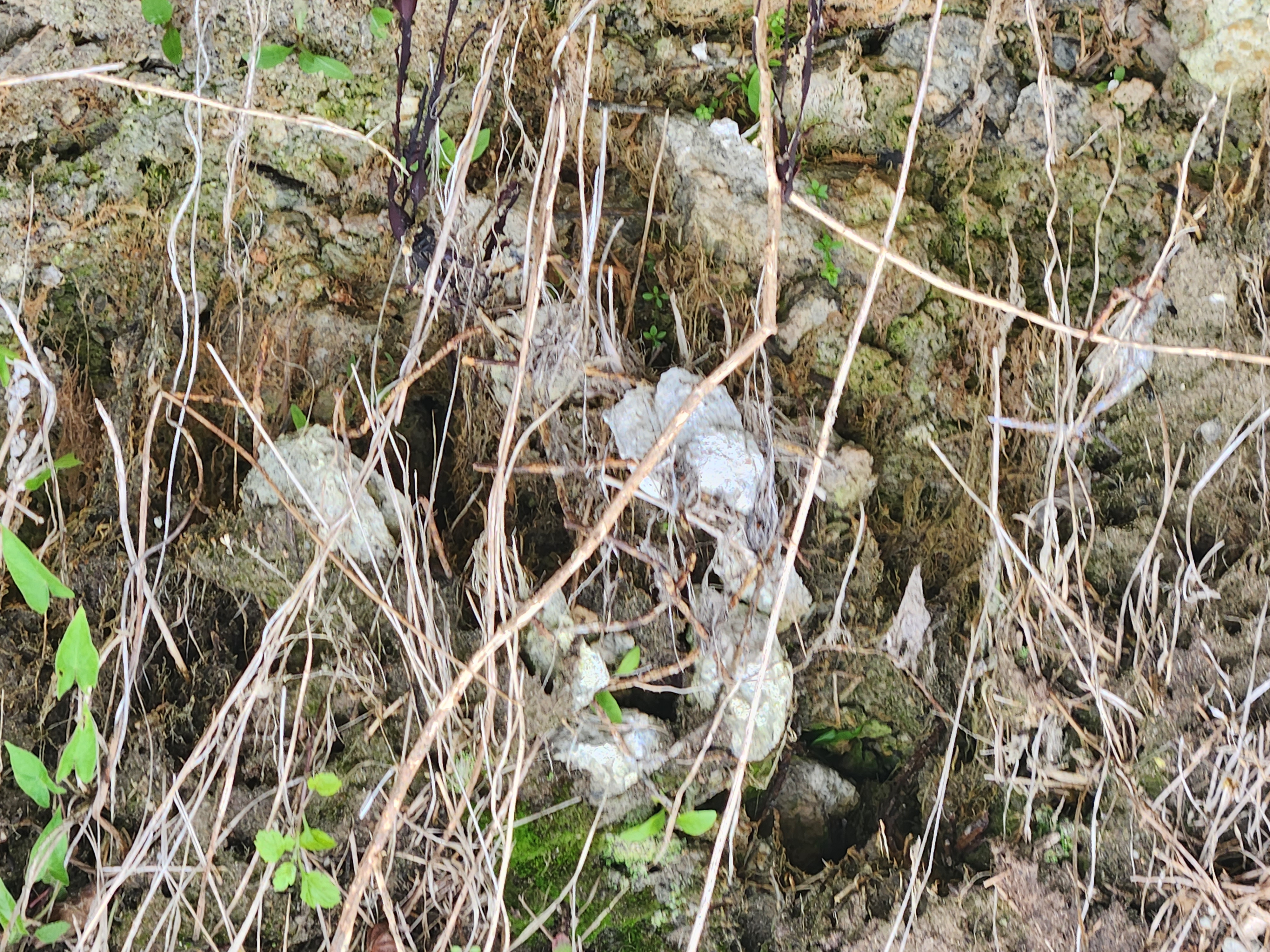
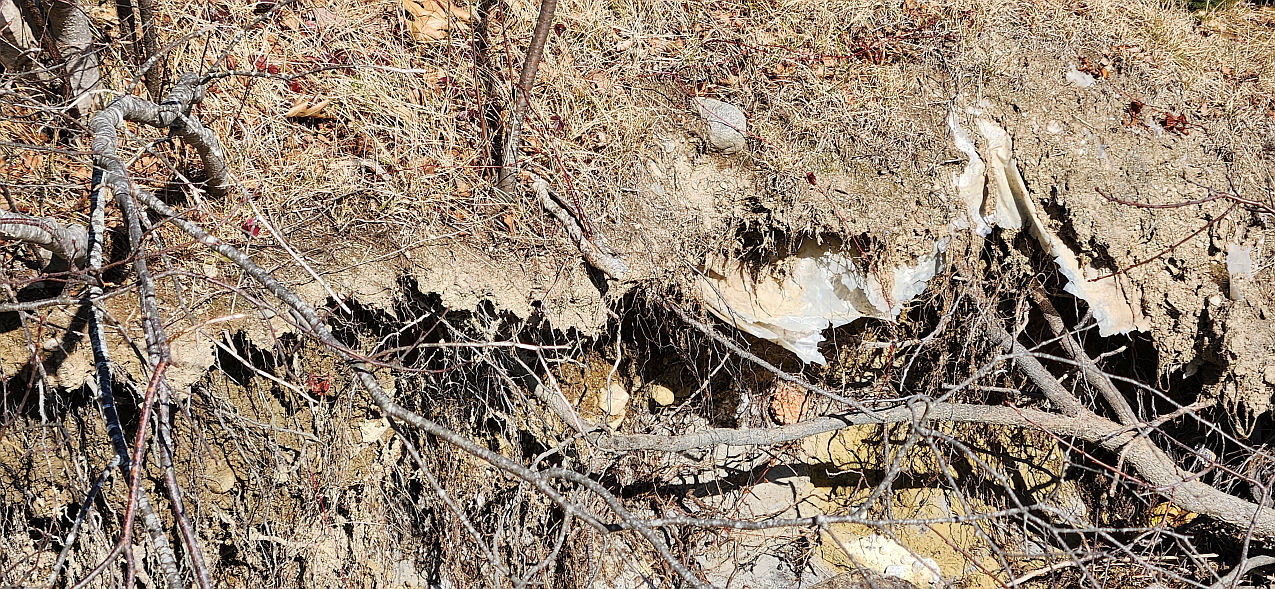
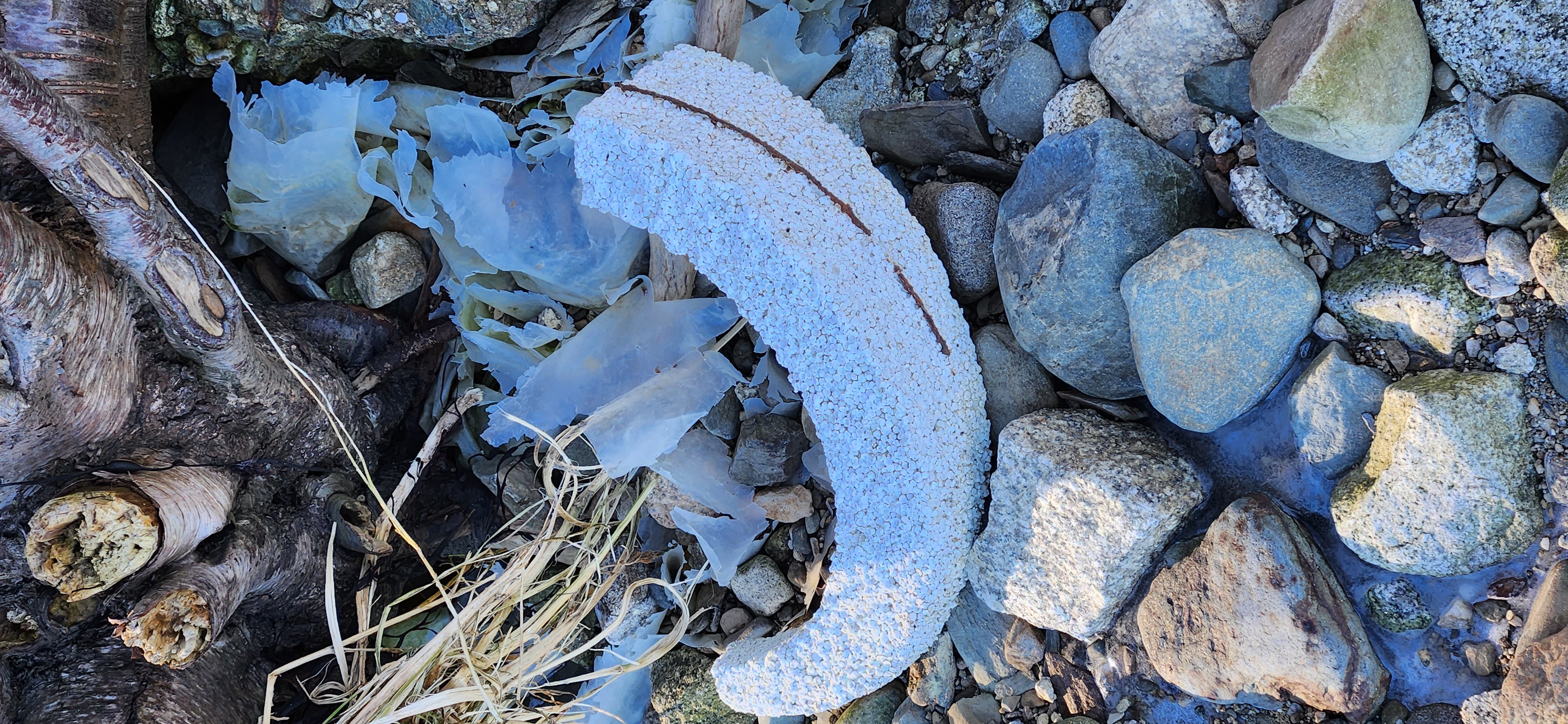
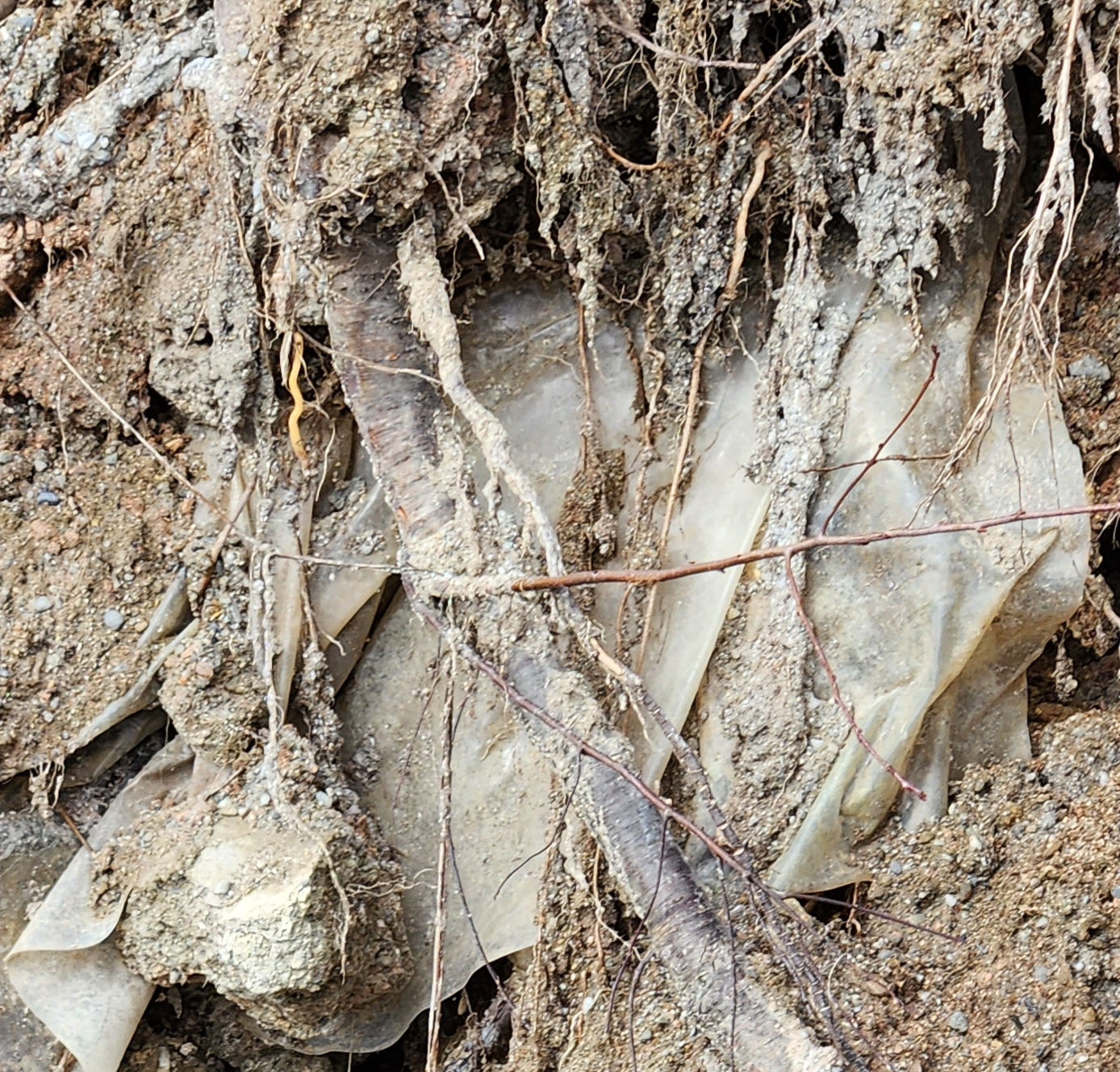
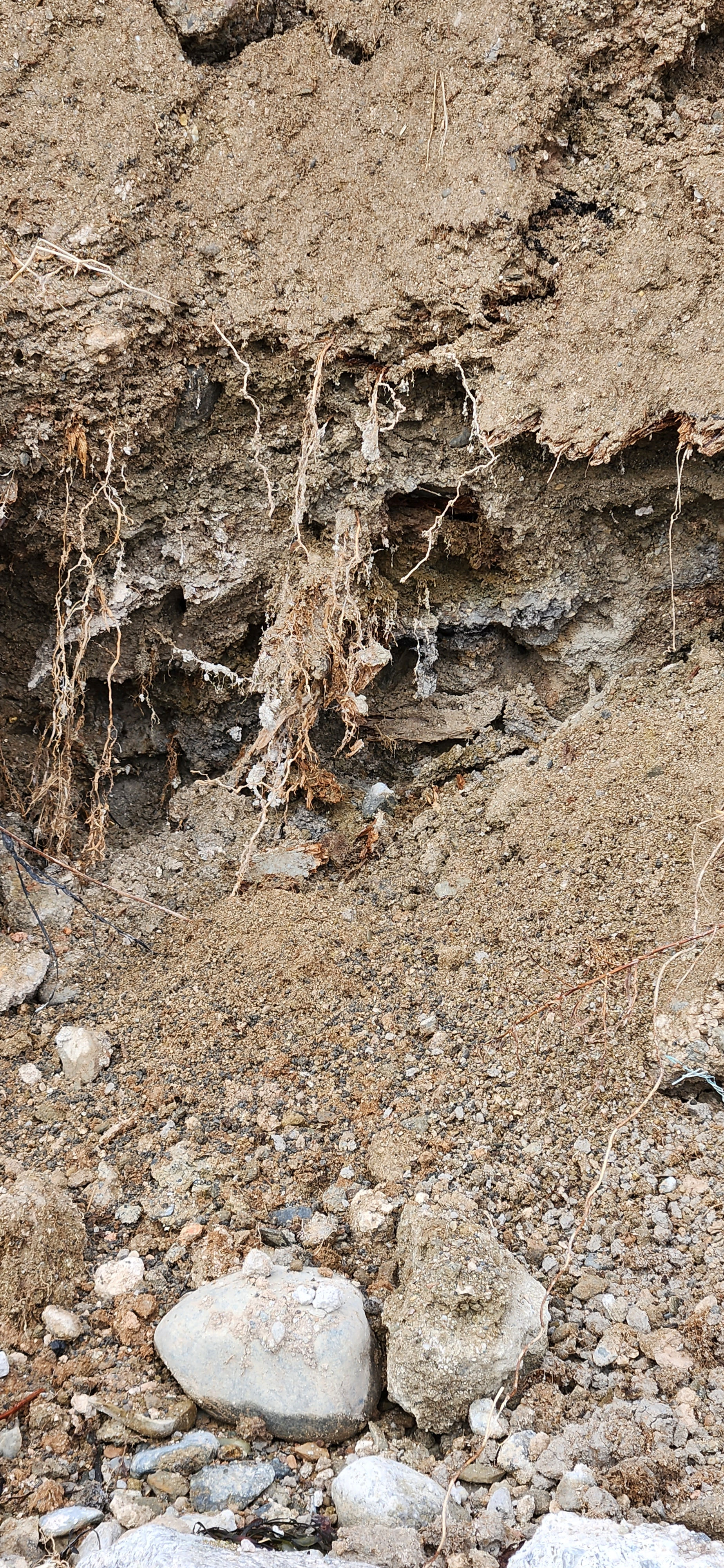
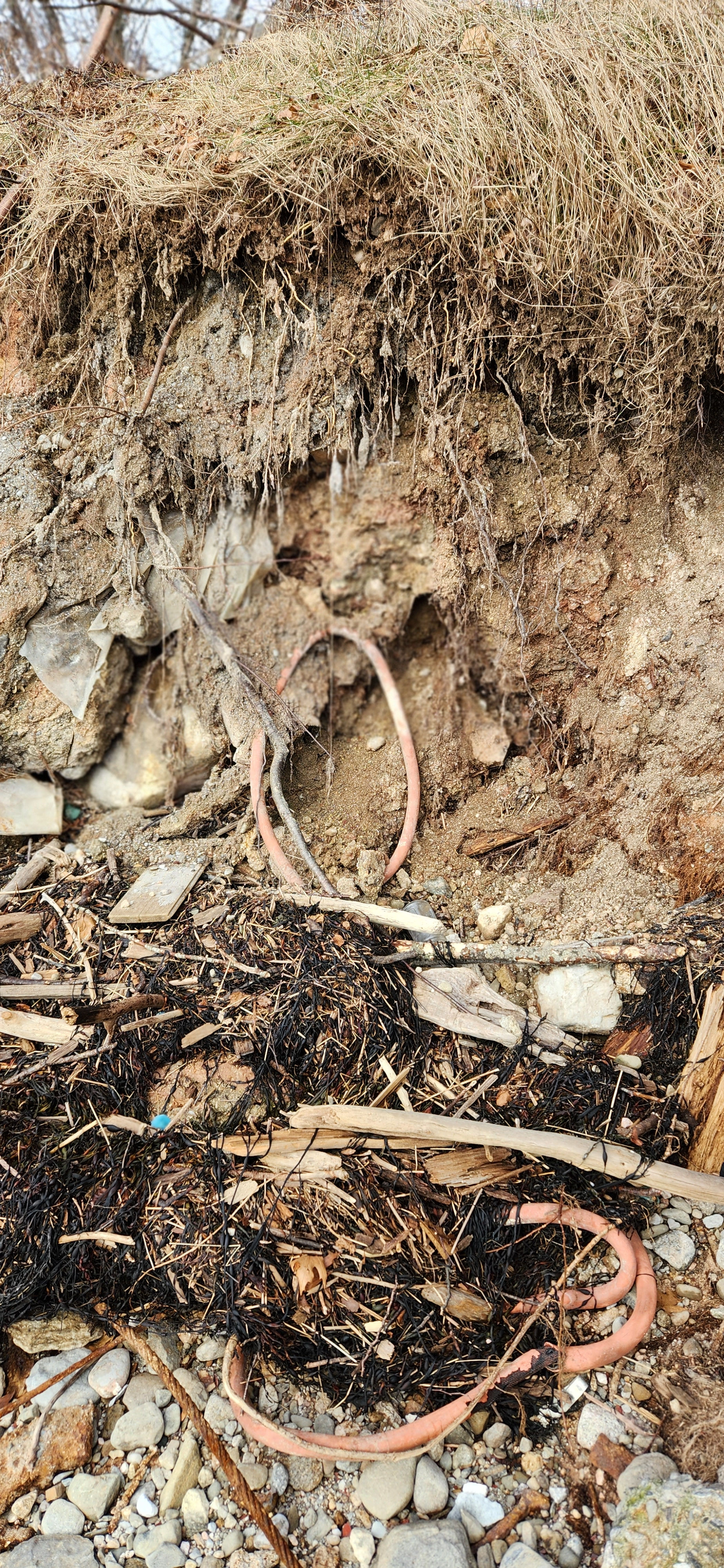
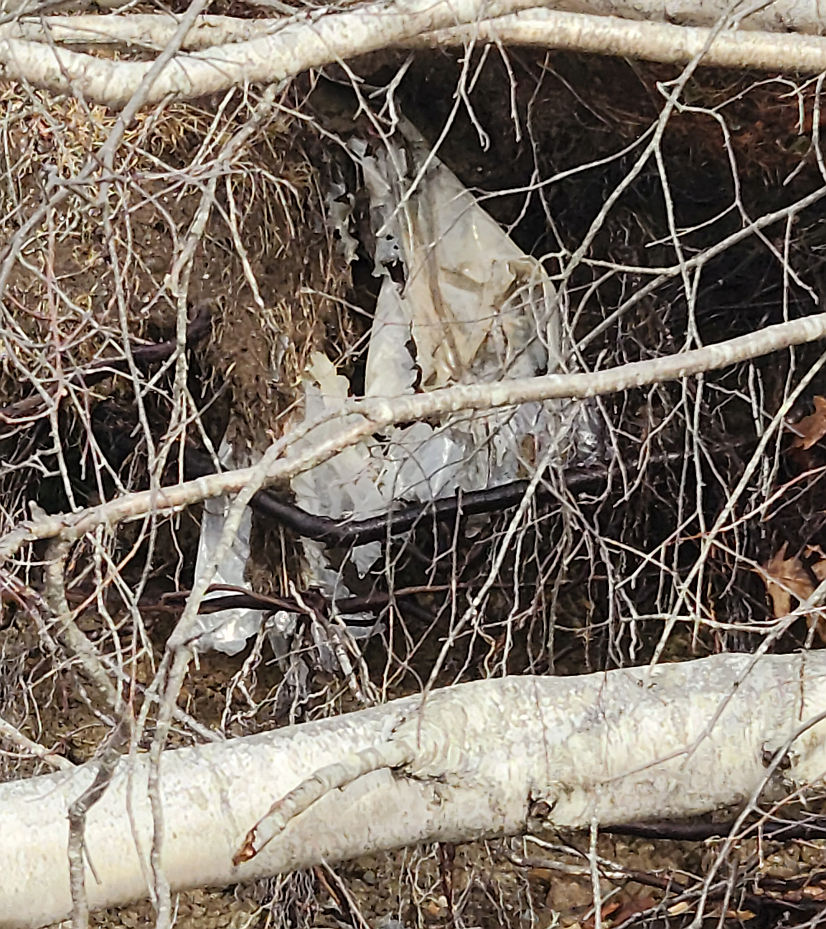
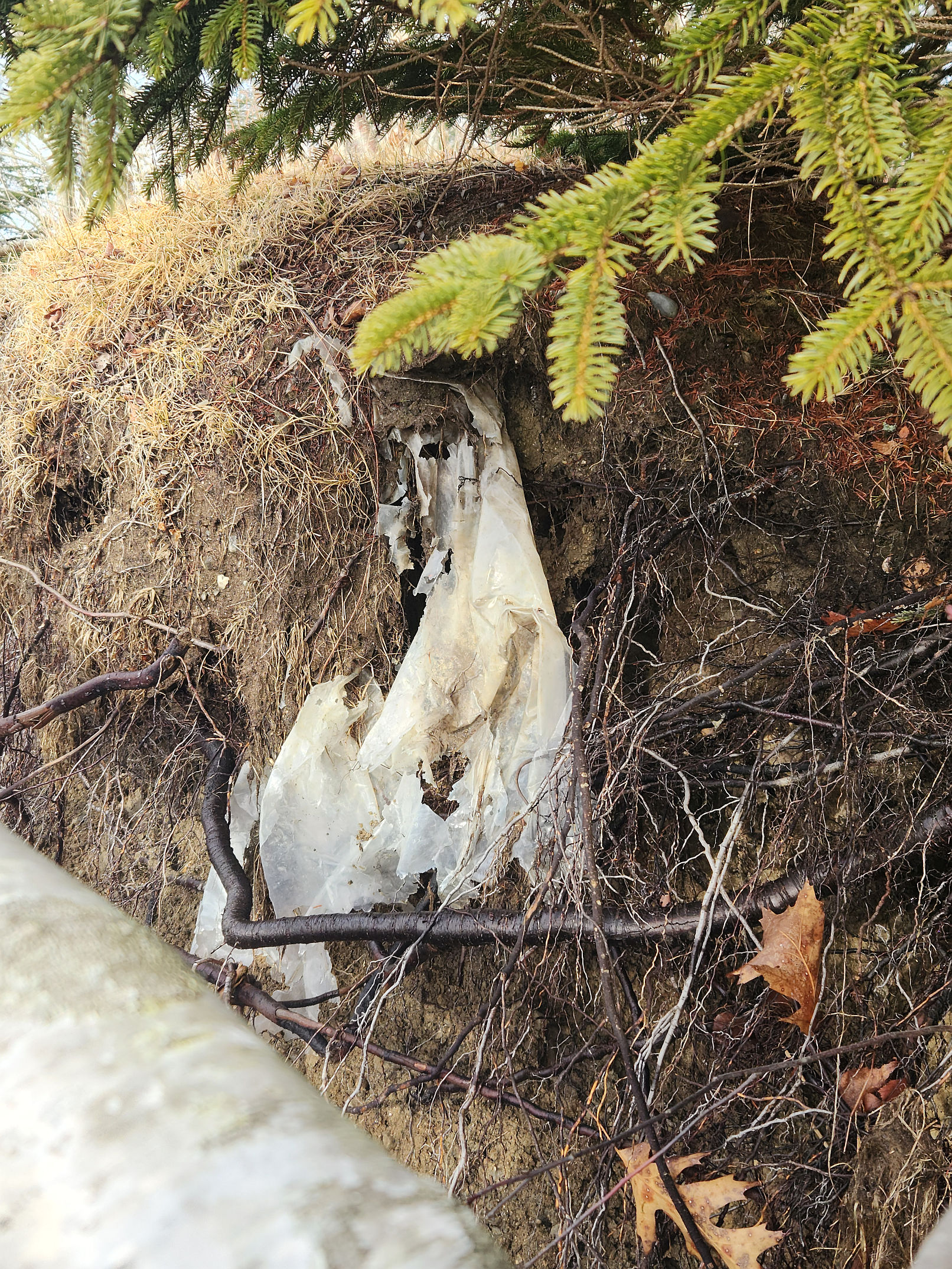
GAC shore photos Eroding plastic, & Crumbling woodworks

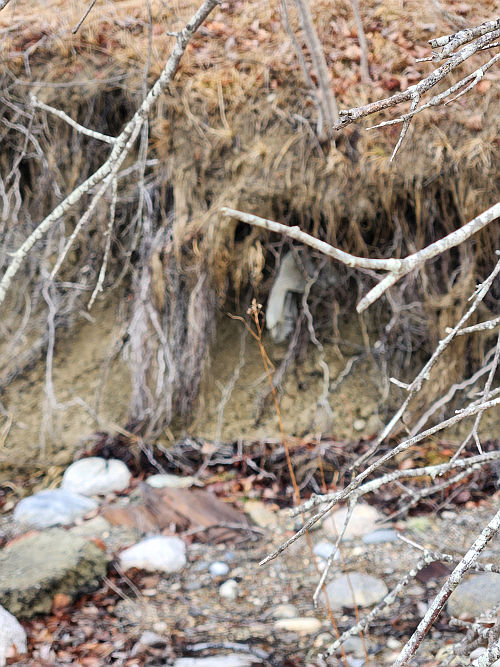
1. ERODING PLASTIC, 2023-2025

https://penbay.org/baytowns/searsport/gac_images_chrono/2023_0704_plastics.jpg

https://penbay.org/baytowns/searsport/gac_images_chrono/2023_gac_plastic_122223.jpg

https://penbay.org/baytowns/searsport/gac_images_chrono/2023_122223_plastic_styro.jpg

https://penbay.org/baytowns/searsport/gac_images_chrono/2024_010324_plastic_erosion.jpg

https://penbay.org/baytowns/searsport/gac_images_chrono/2024_010324_plastic_outergacshore.jpg

https://penbay.org/baytowns/searsport/gac_images_chrono/2024_010324_plastics.jpg

https://penbay.org/baytowns/searsport/gac_images_chrono/2025_031825_plastic1.jpg

https://penbay.org/baytowns/searsport/gac_images_chrono/2025_031825_plastic2.jpg

https://penbay.org/baytowns/searsport/gac_images_chrono/2025_031825_plastic3.jpg

https://penbay.org/baytowns/searsport/gac_images_chrono/2025_031825_plastic_location2a.jpg

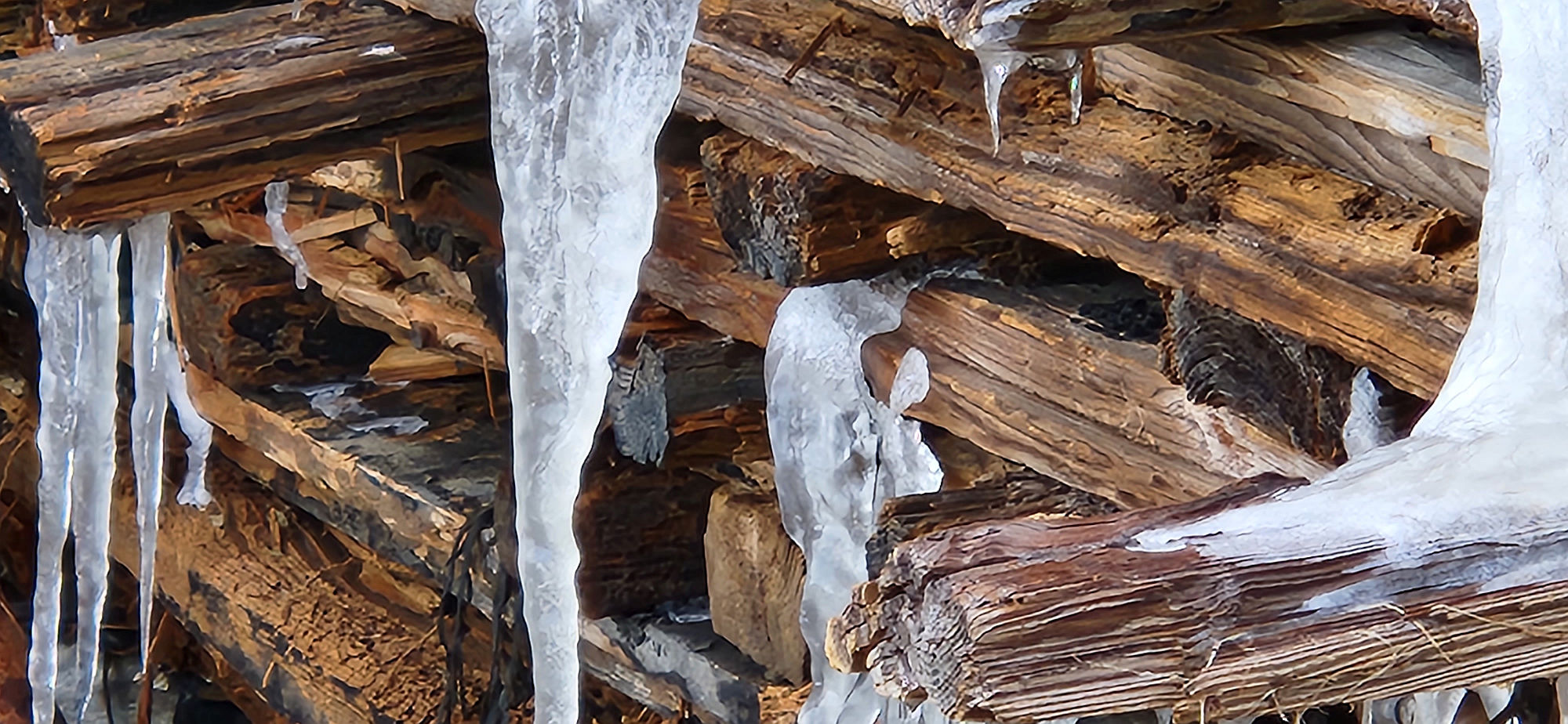
CRUMBLING WOODWORK 2024 (
More to come)

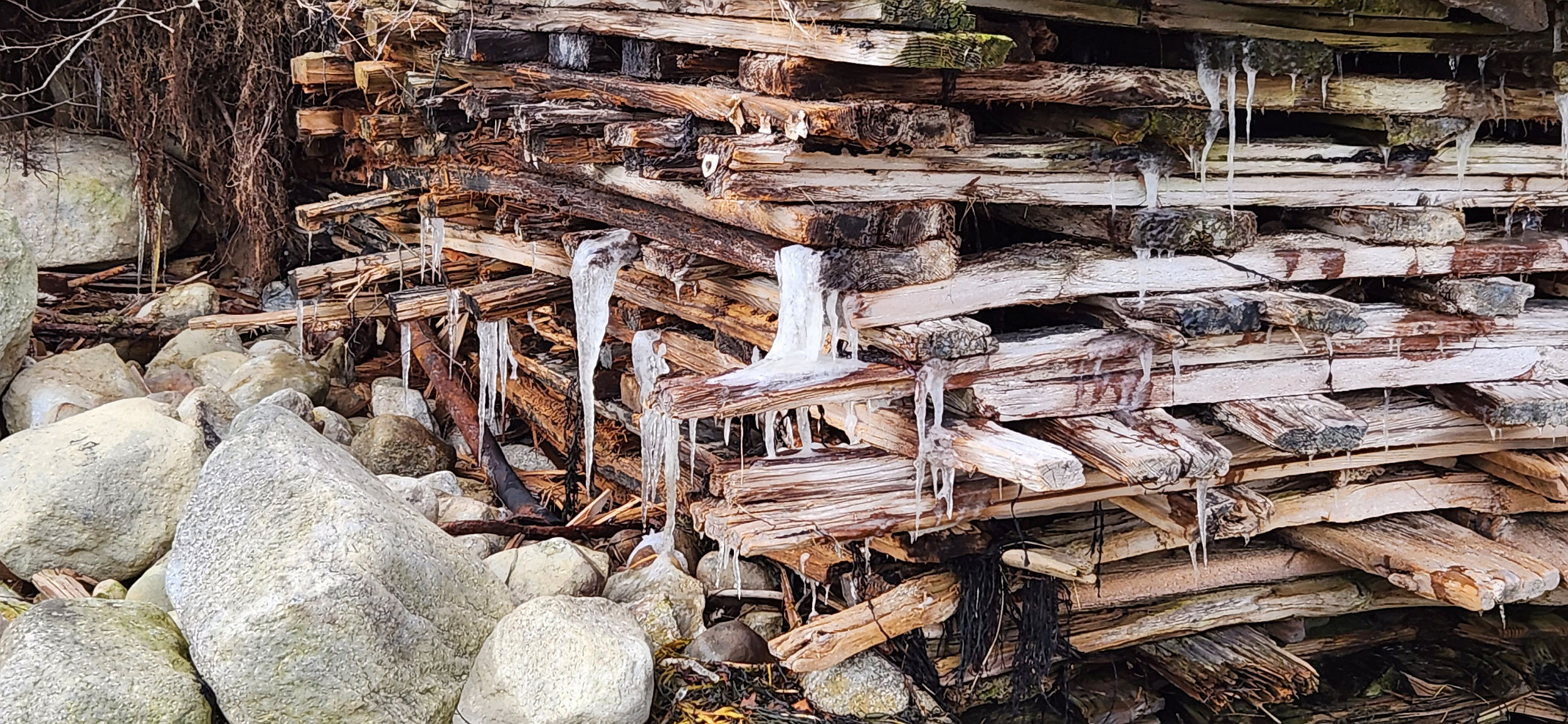
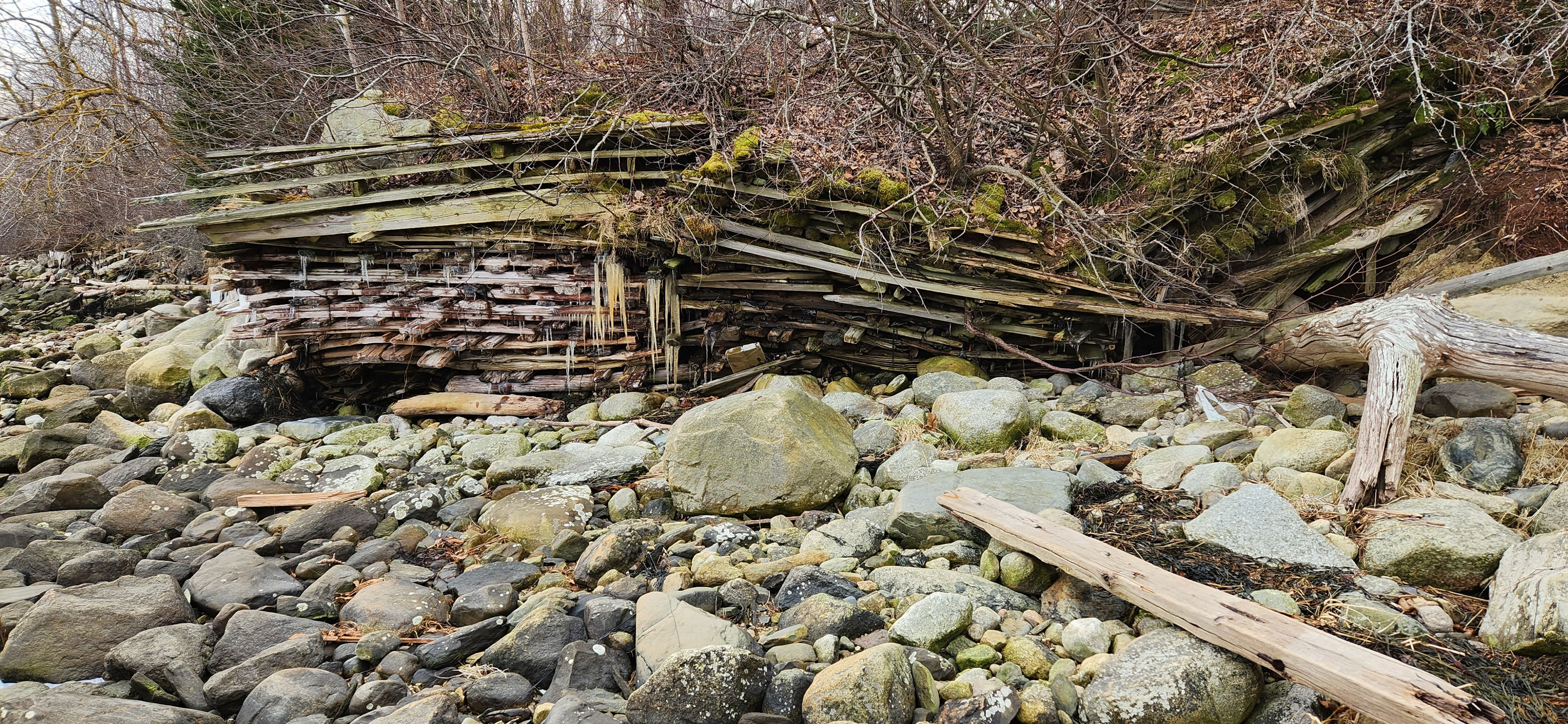
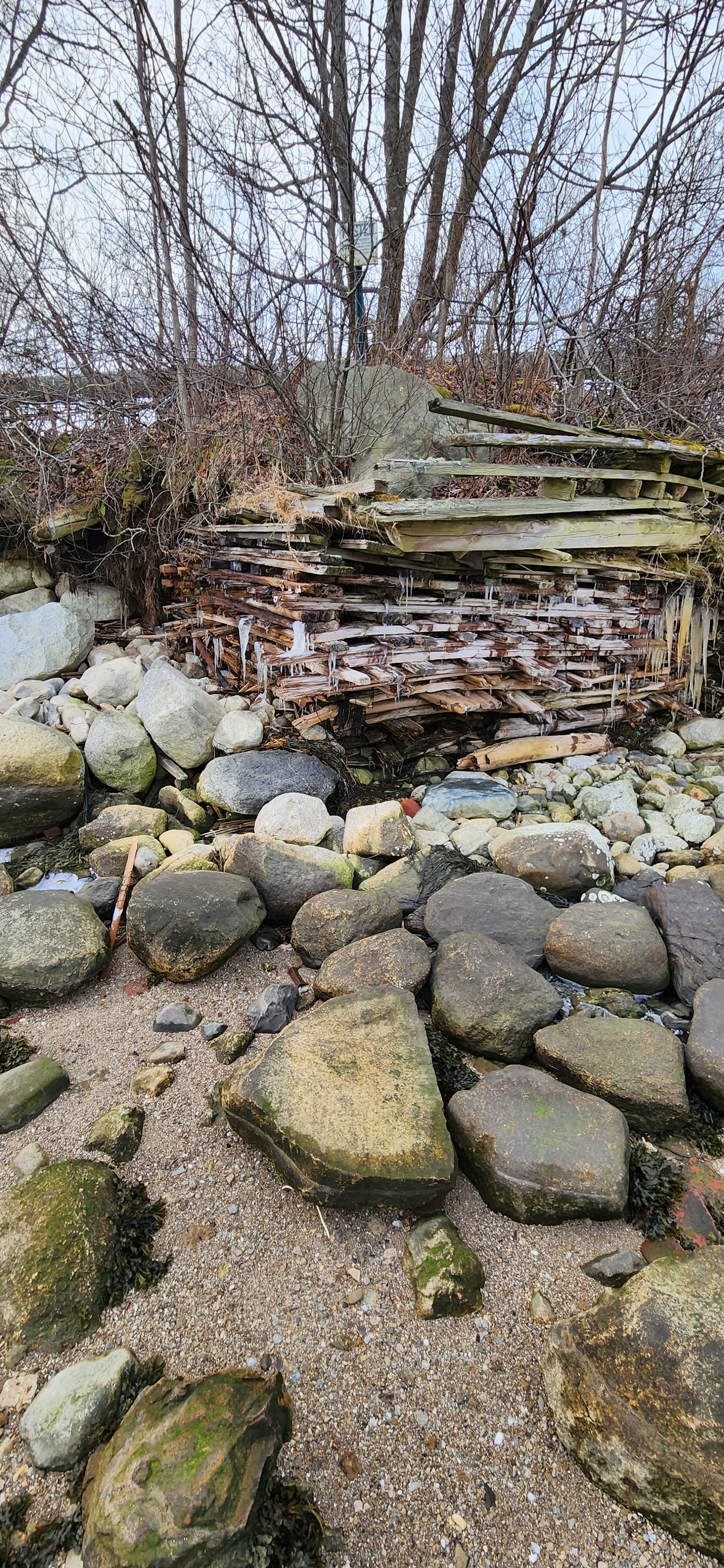
https://penbay.org/baytowns/searsport/gac_images_chrono/2024_010324_wood_supports_full.jpg

https://penbay.org/baytowns/searsport/gac_images_chrono/2024_010324_woodsupports_pipeline.jpg

https://penbay.org/baytowns/searsport/gac_images_chrono/2024_010324_wood_supports.jpg

https://penbay.org/baytowns/searsport/gac_images_chrono/2024_010324_wood_supports2.jpg

https://penbay.org/baytowns/searsport/gac_images_chrono/2024_010324_wood_supports3.jpg



Mar 30, 2025

Microplastics project for Stockton Harbor. Analytical tools from BC's OceanDiagnostics

On Tue, Mar 25, 2025, 12:35 PM Ashleigh Erwin <a.erwin@oceandiagnostics.com> wrote:
Hi Ron,
Please find below all the resources needed to run a microplastics project in your community:
  1. Illustrated Learning Resources

  2. Community Science Microplastics Beach Survey and Data Analysis Instructional Guide. You may use this for a one-time project or ongoing to monitor changes over time by surveying the same beach(es) monthly or seasonally. This guide also includes instructions for using Saturna and evaluating your data to identify sources and solutions.

  3. Community Science Advocacy Tools. After you have interpreted your data, use these tools to engage local decision-makers and the community about your real microplastic data and potential solutions.

Hardware User Manual

  1. Saturna Imaging System User Manual 2023.pdf

To further assist you, please refer to our training videos:


Please don't hesitate with any questions, and do keep in touch - we would love to hear how it goes!


Ashleigh Erwin
(she/her)
Director, Marketing and Communications
Ocean Diagnostics

Microfibers are a Macro Issue: Interagency Report on Microfiber Pollution.                              October 17, 2024

Speakers:
Carlie Herring, NOAA Marine Debris Program
Nizanna Bathersfield, EPA Trash Free Waters Program
Krystle Moody Wood, Materevolve

Microfiber pollution is an emerging issue of environmental concern due to the growing body of research uncovering the pervasiveness and potential ecological and human health impacts of microfibers in the environment. 

In July 2024, the Interagency MarineDebris Coordinating Committee released the Interagency Marine Debris Coordinating Committee Report on Microfiber Pollution– a Report to Congress mandated by Section 132 of the Save Our Seas 2.0 Act of 2020. This webinar will cover the details in the report as well as some of the ongoing efforts in the United States and beyond addressing microfiber pollution.

==============================================================


Nov 10, 2016

Mega challenge of marine microplastics: keeping them off mother nature's menu

Microplastics in  a crustacean larvae.
Microplastics and larger plastic bits in saltwater or fresh are problematic for the fish, birds, crustaceans, bivalves and other organisms that ingest them. How do we keep plastic out of their diets?

Recent research suggests that the key attraction of the plastic bits to fishes, birds and invertebrates is the flavor/odor of the biofilm of bacteria that has colonized these plastic particles as solid habitats.

Like other organisms, bacteria eat and breathe and emit wastes andsignaling chemicals. Those emissions are attractive to animals from protozoa to invertebrates and vertebrates, who treat the plastic particles as though they were mini-wontons or micro- matzo balls.

Since we won't be training Mother Nature to avoid plastic, and we aren't likely to stop manufacturing and using the stuff any time soon, can we make plastic unattractive to microbes?
Plastic makers have been required to tweak their products chemistry to protect public health, so it is not impossible to require plastic people to make their stuff unattractive to marine bacteria, or freshwater ones.
Pastic-filled bird carcass & plastics taken from it
But that raises more questions:
While you _could_ add an antibacterial to the plastic, the ubiquity of the plastic bits in the bays and seas is such that you would be filling the water column with antibacterial chemical-emitting particles - specifically geared toward repelling or killing natural marine or freshwater bacteria that live there.
That's not a good way to go.. How else to make plastic unappealing to marine bacteria?